| ✔ Suitable For | Early to moderate cartilage wear, mild-moderate knee arthritis |
| ✔ Procedure Time | 30–45 minutes (blood draw + injection) |
| ✔ Recovery | Back to normal activity in 1–2 days |
| ✔ Hospital Stay | None, done as an outpatient visit |
| ✔ Success Expectations | Pain and function often improve; it’s not a cure |
| ✔ Best Candidates | Grade 1–2 cartilage damage, younger patients, early arthritis |
Why Patients Ask This Question
A patient walked into my clinic last month, knee bothering him for almost a year, holding up his phone with a reel that claimed PRP could “regenerate” his cartilage in a matter of months. He’d been putting off a proper evaluation because of it. That’s not a rare story anymore.
Cartilage doesn’t heal well on its own it has almost no blood supply, so the body just can’t repair it the way it repairs skin or bone. An injection that promises to fix that sounds appealing, especially if surgery feels scary. But before you spend money on PRP hoping for a full reset, it’s worth knowing exactly what it can and can’t do, and how it stacks up against other paths like proper cartilage treatment or managing knee arthritis without surgery.
What Is PRP?
PRP is made from your own blood. A small sample gets drawn, then spun in a centrifuge so the platelets the cells your body uses for clotting and for releasing healing signals end up far more concentrated than they normally are.
I usually explain it to patients like this: platelets are like site supervisors on a construction project. They don’t lay the bricks themselves, but they shout instructions and get the crew moving faster. That’s the whole idea behind PRP more platelets means more of those healing signals inside the joint, which in theory creates a better environment for repair.
How Does It Work?
Once it’s ready, the concentrated plasma gets injected straight into the joint, often with ultrasound guidance so the needle placement is accurate. Inside the joint, those growth factors can dial down local inflammation and may support whatever healthy cartilage is still left.
This is a different mechanism from something like microfracture surgery or cartilage grafting, where the surgeon is physically creating a scaffold for new tissue to grow on. PRP doesn’t build anything new. It changes the chemistry inside the joint. Think of it as adjusting the room’s climate rather than renovating the walls.
What Happens During the Procedure?
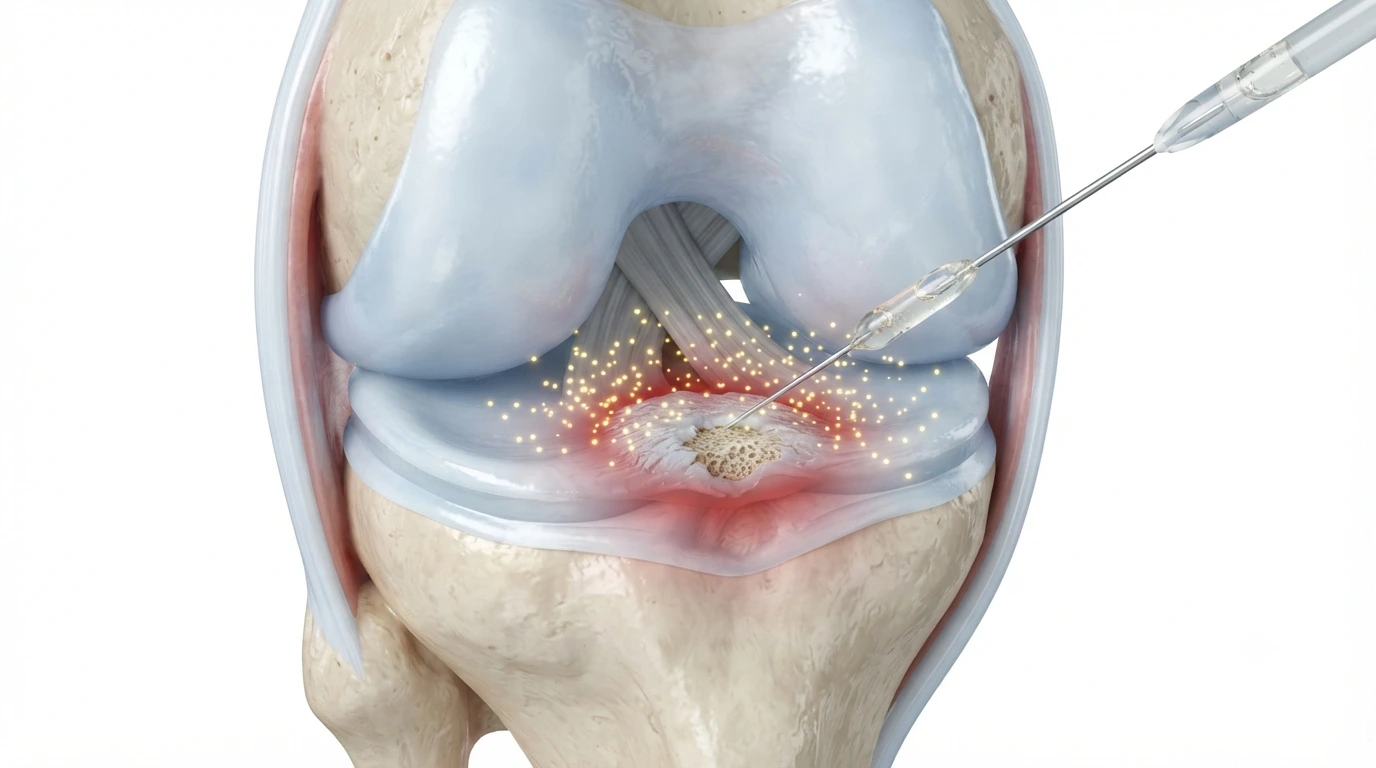
- Preparation – Blood is drawn from your arm, much like a routine blood test.
- Processing – The sample spins in a centrifuge for roughly 10–15 minutes to separate out the platelet-rich layer.
- Injection – The joint is cleaned and the PRP is injected with a fine needle, usually under ultrasound guidance for knee or shoulder joints.
- Duration – The whole visit, start to finish, takes about 30–45 minutes.
- Hospital stay – None. You walk in, get the injection, and walk out the same day.
- Aftercare – Some mild swelling or soreness for a day or two is completely normal. Most people are back at their desk the same day and resume regular activity within a few days.
Wondering if your cartilage damage has already progressed past the point where PRP helps? Imaging and a hands-on exam are really the only reliable way to know schedule a visit and get that answered properly.
Can PRP Regrow Cartilage?
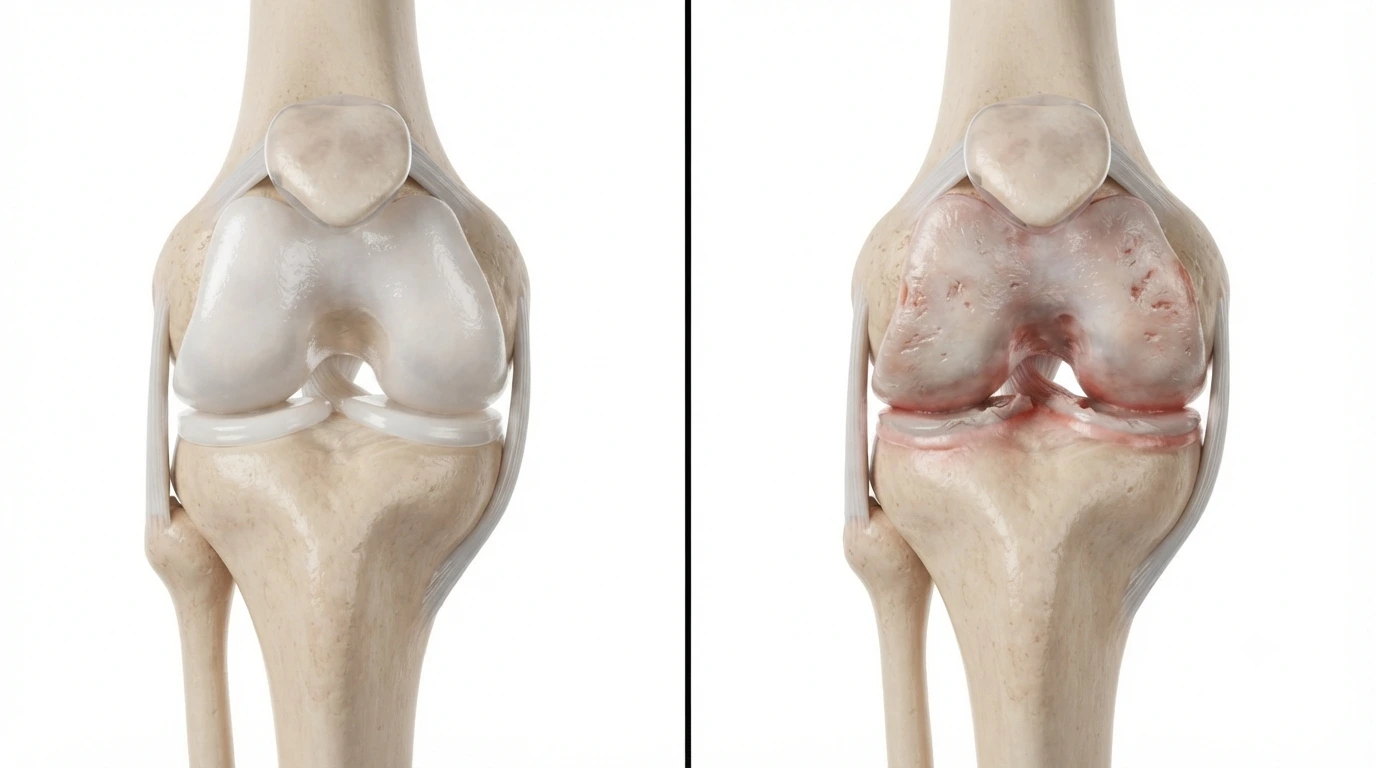
No, not in the sense of laying down new cartilage where it’s already been lost. Cartilage barely has a blood supply, and that’s precisely why it heals so poorly to begin with. PRP doesn’t override that basic biology, no matter how it’s marketed.
What it can realistically do, based on the evidence we have so far:
- Reduce inflammatory markers inside the joint
- Give meaningful pain relief for weeks to months in many patients
- Possibly slow how fast cartilage breaks down in early-stage arthritis
- Improve the joint’s internal environment, which may help protect whatever cartilage remains
I’ve had patients walk noticeably better after PRP less stiffness in the morning, fewer bad days, sometimes enough improvement that surgery gets pushed off for a year or two. What I have never seen is PRP putting back cartilage that an MRI already showed was gone. Getting that expectation right at the start saves a lot of frustration later.
Can PRP Regrow Cartilage?
- Patients with early or moderate osteoarthritis (Grade 1–2 changes)
- Younger, active patients with mild cartilage wear who’d rather delay surgery
- Patients who aren’t ready for, or aren’t candidates for, surgical cartilage repair
- Patients wanting symptom relief alongside physiotherapy and weight management
- Patients with a related soft-tissue issue, such as a meniscus tear, who are exploring non-surgical options first
Who May Not Benefit?
- Patients with advanced, bone-on-bone arthritis
- Anyone expecting full cartilage regeneration
- Patients with an active joint infection or certain blood disorders
- Patients whose scans show large, full-thickness cartilage defects better suited to surgery
- Patients with an accompanying ligament injury, such as an ACL tear, where the ligament itself needs surgical attention regardless of the cartilage picture
Benefits
- Uses your own blood, so allergic reactions are very rare
- Outpatient, with almost no downtime
- Can reduce how much you depend on long-term anti-inflammatory medication
- May push back the timeline before more invasive treatment is needed
Limitations
- Results often fade after a few months rather than lasting forever
- Response varies a lot from one patient to the next
- Not a substitute for surgery once cartilage loss is advanced
- Usually not covered by insurance in India, since it’s still considered adjunctive
- Some patients need repeat sessions to keep the benefit going
Recovery Timeline
| Timeframe | What to Expect |
| Day 1 | Mild soreness or swelling at the injection site; rest and ice help |
| Week 1 | Swelling settles down; light activity and walking resume |
| Week 4 | Early pain relief usually starts becoming noticeable |
| Month 3 | This is typically when we assess peak benefit with your surgeon |
Treatment Comparison
| Treatment | Goal | Invasiveness | Cartilage Regrowth? |
| PRP Injection | Reduce inflammation, relieve pain | Minimally invasive (injection only) | No |
| Hyaluronic Acid (Viscosupplementation) | Joint lubrication, pain relief | Minimally invasive (injection only) | No |
| Microfracture Surgery | Stimulate new cartilage-like tissue | Surgical (arthroscopic) | Partial, fibrocartilage |
| Cartilage Grafting/ACI | Replace damaged cartilage | Surgical | Yes, closer to native cartilage |
Common Myths vs Facts
Conclusion
PRP has a genuine, evidence-backed role in managing joint pain and inflammation, especially in early cartilage damage. But it isn’t the cartilage-regenerating miracle some ads make it out to be, and that gap between marketing and evidence matters. Whether PRP, another non-surgical option, or surgery is right for you comes down to your cartilage grade, age, activity level, and what your imaging actually shows. An honest evaluation beats a hopeful promise every time and it’s the only way to know what will actually work for your knee.
If PRP hasn’t given you the relief you were hoping for, or you’d like an honest read on whether it fits your stage of cartilage damage, consult Dr. Arpit Dave for a personalised evaluation.
Frequently Asked Questions
Does PRP regrow cartilage in the knee?
No. It reduces inflammation and can relieve pain, but it doesn’t create new cartilage tissue.
How many PRP sessions are needed for cartilage damage?
Most protocols use 1–3 sessions spaced a few weeks apart, though this really depends on the patient.
Is PRP painful?
The injection itself feels like a routine shot. Mild soreness for a day or two afterward is common.
How long do PRP results last?
Usually a few months, though it varies quite a bit between patients.
Can PRP help avoid knee replacement surgery?
It might delay the need for surgery in early arthritis, but it can’t substitute for replacement once joint damage is advanced.