
Blogs
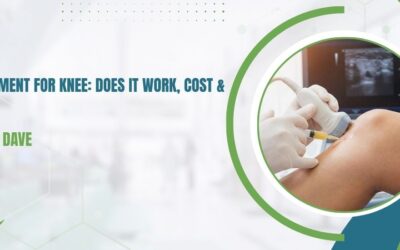
PRP Treatment for Knee: Does It Work, Cost & Recovery
PRP treatment for knee osteoarthritis works for some patients, not all of them. Trial data on mild to moderate osteoarthritis shows real, measurable improvement in pain and function, lasting at least six months for most people. That improvement fades for some by the...
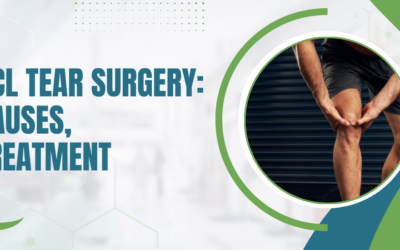
Why Does ACL Tear Surgery Restore Knee Stability?
ACL tear surgery replaces the torn ligament with a graft from the hamstring or patellar tendon, placed arthroscopically through small incisions. Surgery is recommended when the ligament is fully torn, physiotherapy fails to control instability, or the patient needs to...
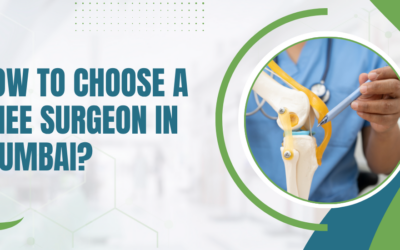
How to Choose a Knee Surgeon in Mumbai?
Selecting the right knee surgeon requires evaluating three things: fellowship training in arthroscopy, high volume of similar cases, and a consultation that includes a proper clinical exam before surgery is recommended. General orthopedic training covers broad care...
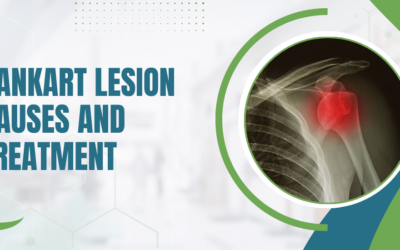
What Is a Bankart Lesion?
A Bankart lesion is a tear of the labrum, the ring of cartilage that lines the shoulder socket, and it's usually caused by a traumatic anterior shoulder dislocation. The tear detaches the lower front portion of the labrum from the glenoid rim, which removes the...

Who Is the Best Arthroscopic Surgeon in Dahisar, Mumbai?
An arthroscopic surgeon is an orthopedic specialist who treats joint damage through a small camera and minimally invasive instruments. The best combine fellowship training, high case volume, and the judgment to recommend physiotherapy or injections before reaching for...
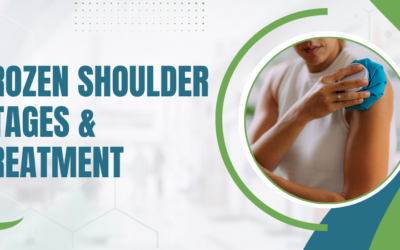
Frozen shoulder: why does it get worse before it gets better?
Frozen shoulder doesn't follow a straight line. Pain shows up first, stiffness builds on top of it, and just when patients expect things to improve, the joint can feel tighter than ever. That pattern isn't a sign something's gone wrong. It's how the condition runs its...

Why does my elbow hurt only when I play tennis or badminton?
Elbow pain that flares during a game and fades when you stop is a pattern most players dismiss for months. First it's a twinge on a backhand. Then it shows up earlier in every session. Then it starts hurting when you lift a cup. By that point the tendon has been...
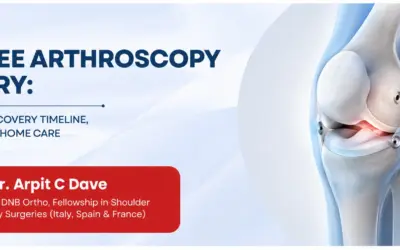
Post Knee Arthroscopy Recovery
Knee arthroscopy is a keyhole procedure used to treat problems such as meniscus tears, cartilage damage, and ligament injuries. The surgery itself is only the first step; post-knee arthroscopy recovery determines how well the knee regains movement, strength, and...
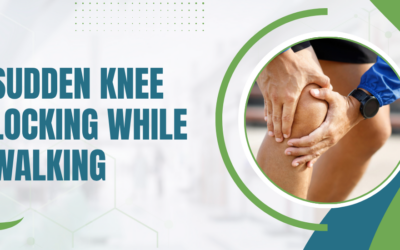
Why does my knee suddenly lock up while walking?
A knee that suddenly locks mid-step is not something to walk off and ignore. When the knee locks, it either refuses to straighten fully or momentarily jams and then releases with a click. Both feel alarming in the moment, and both are telling you that something inside...
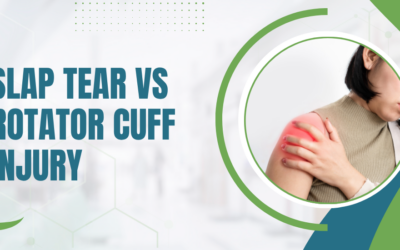
What Is a SLAP Tear and How Is It Different From a Rotator Cuff Injury?
A SLAP tear and a rotator cuff injury are two of the most common shoulder diagnoses, and they get confused constantly. Both cause shoulder pain, both can follow a fall or a sporting incident, and both can quietly get worse if left alone. The difference lies in where...