Shoulder Dislocation Treatment in Dahisar, Mumbai
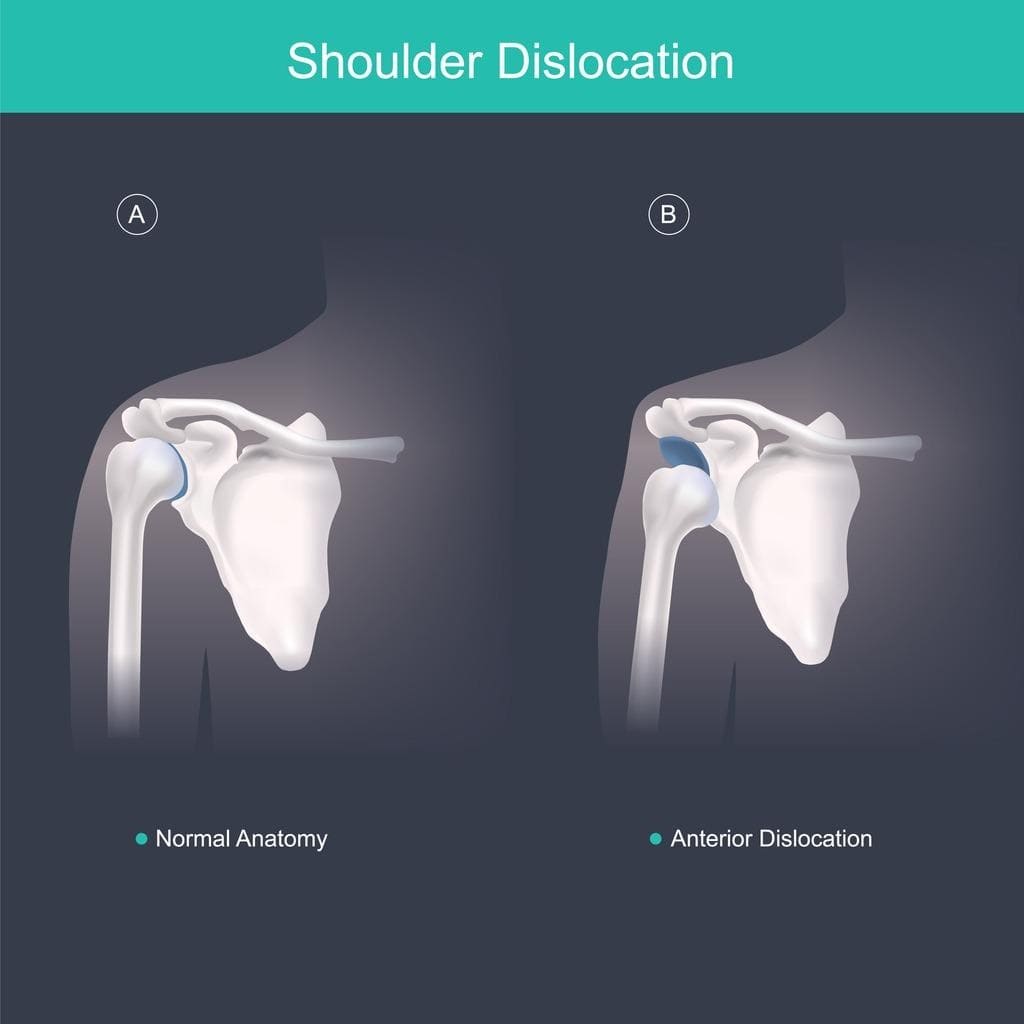
Shoulder dislocations are among the most common joint injuries, particularly among athletes, overhead sports players, and individuals who experience sudden trauma or falls. A single episode of shoulder dislocation can quickly escalate into chronic instability, repeated dislocations, and permanent shoulder dysfunction if left untreated.
Dr. Arpit C Dave is an experienced arthroscopic surgeon in Dahisar, Mumbai, who specializes in shoulder dislocation treatment using advanced minimally invasive arthroscopic techniques. His approach focuses on stabilizing the shoulder joint, repairing the damaged labrum through Bankart repair, and restoring complete functional capacity. Whether your dislocation is a first-time incident or a recurring problem, evidence-based treatment ensures better outcomes and faster return to your normal activities.
Dr. Dave has undergone extensive training in shoulder instability and sports injury procedures across Europe. His method concentrates on functional restoration of the shoulder and reduction of surgical trauma, starting from the initial examination through to post-surgical rehabilitation.
What Is a Shoulder Dislocation?
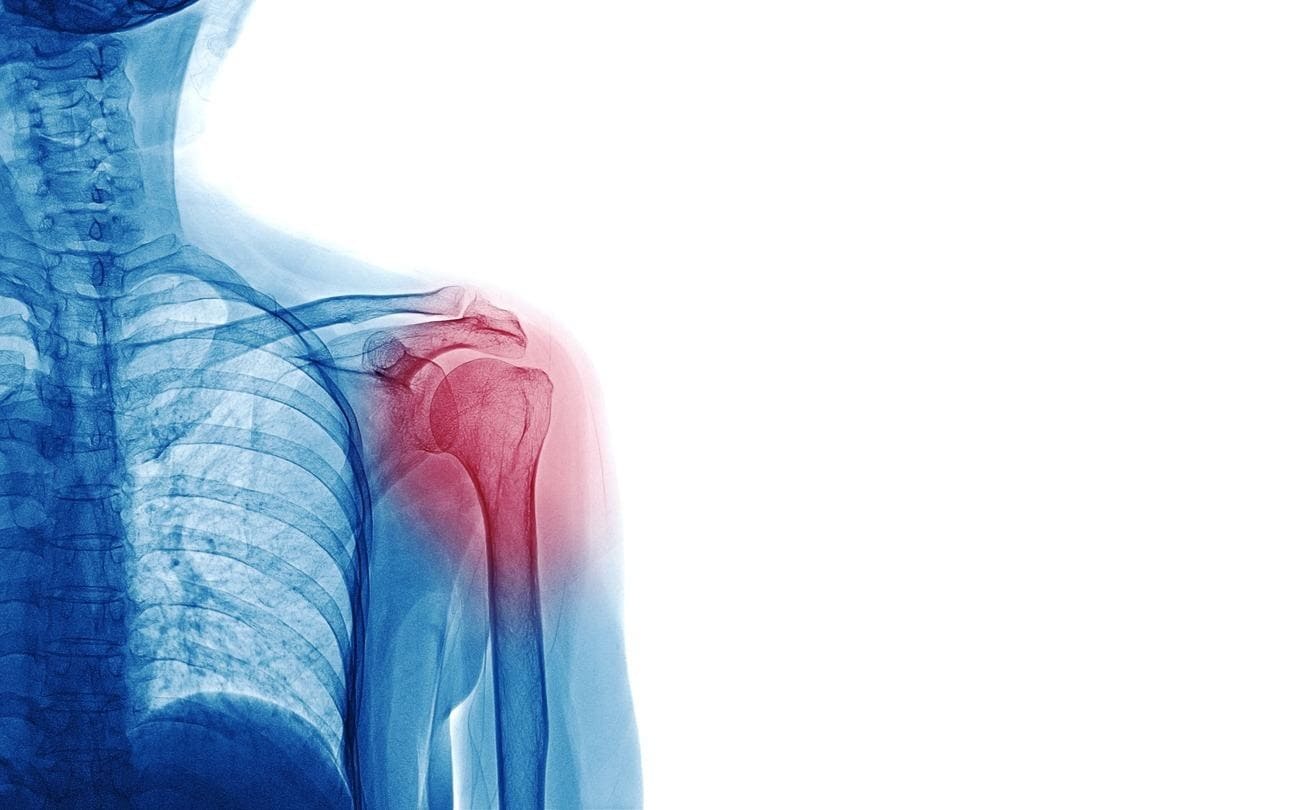
The shoulder is a ball-and-socket joint where the upper arm bone fits into the shoulder socket. The labrum is a ring of cartilage that deepens the socket and helps keep the ball in place. When the shoulder dislocates, the upper arm bone slips out of the socket, often tearing the labrum in the process.
Shoulder dislocations typically occur due to sports injuries, falls, or direct trauma to the shoulder. They frequently happen with a sudden popping sensation, severe pain, visible deformity of the shoulder, and immediate inability to move the arm. Most dislocations are anterior, meaning the ball moves forward out of the socket.
Recognizing the signs and symptoms of a shoulder dislocation is crucial to preventing further joint damage and long-term instability. What may begin as a single episode can lead to repeated dislocations if the underlying labral tear is not properly treated. Early evaluation helps determine whether rest, rehabilitation, or surgical intervention is needed.
Shoulder instability getting worse? Early diagnosis prevents permanent damage. Book a consultation with Dr. Arpit C Dave today.
Symptoms and Signs of Shoulder Dislocation
Immediate Symptoms
After a shoulder dislocation, you will typically experience sudden and severe shoulder pain. The shoulder often appears visibly deformed or out of place. You will be unable to move your arm in any direction. Swelling and bruising develop rapidly around the shoulder and upper arm. Some patients also experience numbness or tingling down the arm if nerves are affected.
Recurring Symptoms
If you have experienced a dislocation and the labrum was not properly repaired, you may develop ongoing problems. Your shoulder may feel unstable or like it’s slipping out of place even during normal activities. You might experience sharp pain with overhead movements or throwing activities. Recurring episodes of actual dislocation or subluxation can happen with minimal provocation. The shoulder may feel weak and you may lose confidence in its stability.
When Is Shoulder Dislocation Surgery Recommended?
Not every shoulder dislocation requires immediate surgery. However, surgery is strongly recommended when certain conditions are present. The decision depends on your age, activity level, injury pattern, and whether conservative treatment has been effective.
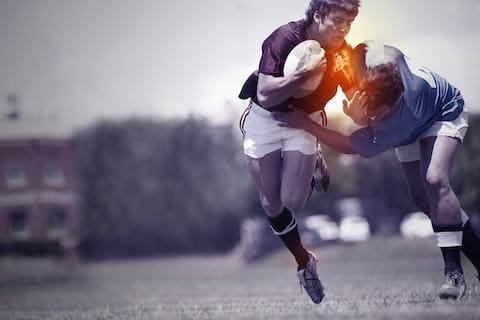
Immediate Symptoms
After a shoulder dislocation, you will typically experience sudden and severe shoulder pain. The shoulder often appears visibly deformed or out of place. You will be unable to move your arm in any direction. Swelling and bruising develop rapidly around the shoulder and upper arm. Some patients also experience numbness or tingling down the arm if nerves are affected.
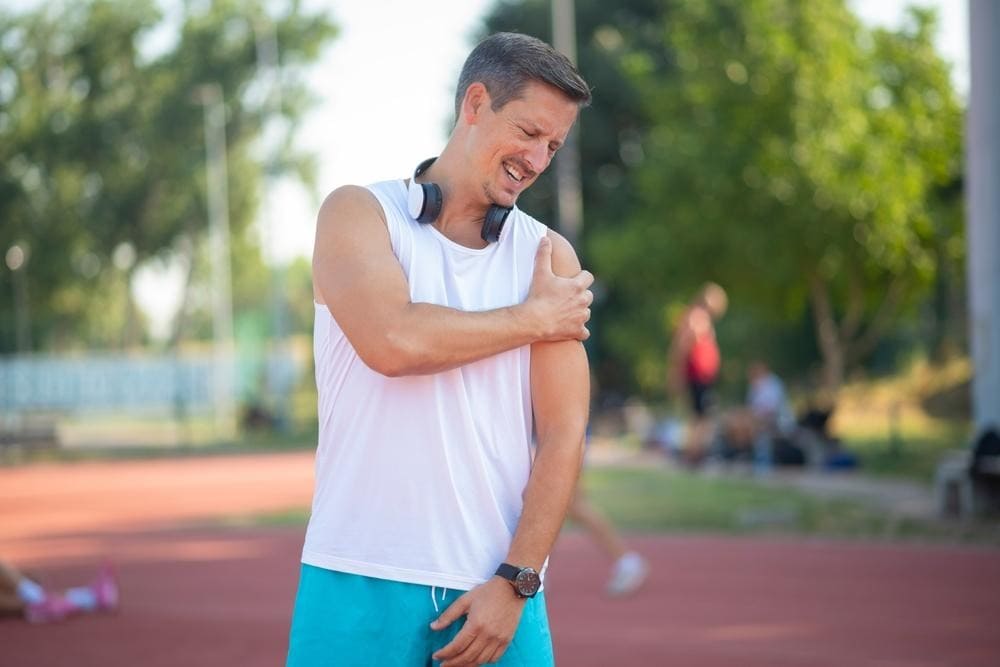
Recurrent Shoulder Instability
If you have experienced multiple dislocations despite physiotherapy and conservative care, surgery becomes essential. Each dislocation causes additional damage to the labrum and surrounding soft tissues. Patients who suffer from episodes of their shoulder giving way or subluxing repeatedly should not delay surgical repair. Recurrent instability significantly affects quality of life and functional capacity.
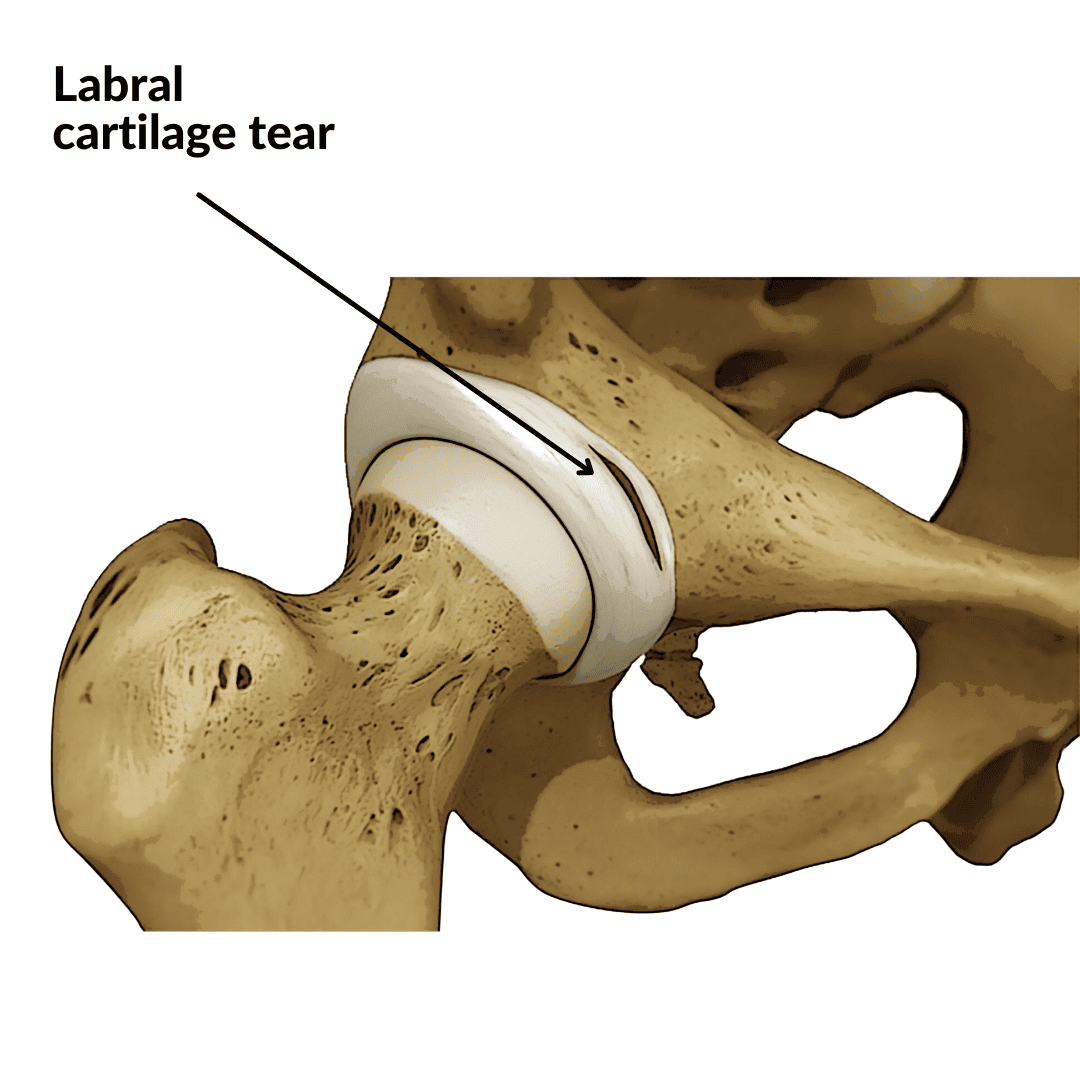
Significant Labral Damage
Imaging studies such as MRI or CT scans may reveal significant labral tears including Bankart lesions or SLAP injuries. Even if you haven’t experienced multiple dislocations, substantial structural damage warrants surgical repair. Cartilage damage at the socket rim also indicates a need for surgical intervention to prevent long-term arthritis.

Traumatic Dislocation with Complications
Some dislocations come with associated fractures such as Bankart fractures or Hill-Sachs lesions. Severe soft tissue damage, nerve involvement, or blood vessel injury also requires surgical repair. In these complex cases, early surgery provides the best functional outcome and prevents chronic instability.
Our Shoulder Dislocation Treatment Procedure
We perform shoulder dislocation stabilization using advanced minimally invasive arthroscopic techniques. The procedure, known as arthroscopic Bankart repair, uses small incisions and high-definition camera guidance for precision repair. The torn labrum is reattached to the socket using specialized anchors and sutures. The procedure typically takes 1.5 to 2 hours.
Procedure Highlights
Arthroscopic keyhole surgery minimizes tissue damage
High-definition camera provides clear visualization
Anchor-based fixation provides durable stability
Can repair associated injuries (SLAP, rotator cuff) simultaneously
Same-day discharge in most cases
Early mobilization enables faster recovery
Advanced Treatment Options Available
Standard Bankart Repair
Standard arthroscopic Bankart repair is the most common procedure for shoulder dislocation and is highly effective. This approach reattaches the torn labrum to the socket using suture anchors. It provides excellent outcomes with a 95 percent or higher success rate and is particularly effective for first-time dislocations or early-stage recurrent instability. Most patients return to full activity within 4 to 6 months with proper rehabilitation.
Latarjet Procedure
The Latarjet procedure is recommended for patients with severe bone loss at the socket rim or for those with multiple recurrent dislocations despite previous repair. This procedure involves transferring a bone block to increase the depth of the socket and provide additional stability. It is particularly valuable for high-contact athletes and patients with complex instability patterns. Recovery typically takes 5 to 6 months, but the success rate is exceptionally high at 98 percent or more.
Combined Repairs
When imaging reveals multiple areas of damage, we perform combined repairs during a single procedure. This may include SLAP repair for superior labral tears, rotator cuff repair if a concurrent tear exists, or cartilage treatment if significant damage is present. Addressing all pathology in one surgical session allows for more comprehensive healing and better functional outcomes.
Don’t wait for the pain to become unbearable. Book a consultation with Dr. Arpit C Dave for an accurate diagnosis and personalised treatment plan.
Recovery and Rehabilitation
Recovery from shoulder dislocation surgery depends on the procedure type, your age, activity level, and commitment to rehabilitation. Most patients notice significant improvement within 2 to 3 months, though full recovery extends longer for athletes returning to competitive sport.
Recovery Timeline
Weeks 1 to 2:
Your shoulder is immobilized in a sling while you manage pain and take prescribed medications. You begin gentle passive exercises guided by your surgeon.
Weeks 2 to 4:
You gradually progress to active-assisted exercises and begin physiotherapy sessions. The sling is worn less frequently as tolerated.
Weeks 4 to 8:
Active exercises become the focus. Overhead movements are still avoided. Physiotherapy intensity increases with range of motion restoration work.
Weeks 8 to 12:
You gradually return to light daily activities. Light work duties may resume with modifications.
Months 3 to 6:
Sport-specific training and strengthening exercises begin. Gradual return to throwing or overhead activities happens under professional guidance.
Weeks 8 to 12:
Full return to all activities and competitive sports becomes possible for most patients.
Rehab Essentials
Guided physiotherapy is absolutely critical to successful recovery. Your physiotherapist will supervise every stage of rehabilitation to ensure proper progression and prevent complications. Range of motion restoration happens gradually, starting with gentle stretches and progressing to active motion and strengthening exercises. Balance and stability training helps restore proprioception in your shoulder. Rotator cuff and scapular stabilizer strengthening prevents future instability. Sport-specific conditioning tailors your rehabilitation to your particular activity or sport. Pain management through medication, ice therapy, and activity modification supports your recovery throughout the process.
Your recovery depends on commitment to rehabilitation. A guided rehabilitation program is essential for optimal outcomes. Consult an experienced arthroscopic surgeon to plan your shoulder treatment effectively.
What Is Shoulder Dislocation Surgery Cost?
The cost of shoulder dislocation surgery in Mumbai depends on several factors including the severity of the injury, the specific procedure needed such as Bankart repair versus Latarjet, hospital infrastructure, and post-operative rehabilitation requirements. On average, shoulder dislocation surgery cost in Mumbai ranges from 2 lakhs to 4.5 lakhs. This typically includes the surgeon’s fee, anesthesia charges, hospital facility costs, surgical implants, and initial post-operative care.
Many health insurance policies cover shoulder dislocation surgery, particularly when deemed medically necessary. A personalized consultation with an arthroscopic surgeon helps determine the most suitable treatment approach and provides an accurate cost estimate based on your individual circumstances and imaging findings.
Don’t accept joint replacement as inevitable. Modern cartilage treatment can preserve your joint for decades. Schedule consultation with Dr. Arpit C Dave.
Why Choose Dr. Arpit C Dave?
Dr. Arpit C Dave is a skilled orthopedic and arthroscopic surgeon in Dahisar, Mumbai, with over 13 years of experience in managing shoulder injuries and sports-related conditions. He is recognized for his structured, evidence-based approach to shoulder dislocation management, with a strong focus on minimally invasive arthroscopic techniques that restore shoulder stability while reducing surgical trauma and recovery time.
Expertise in Shoulder Surgery
Dr. Dave has performed over 6000 surgeries and specialized in arthroscopic shoulder procedures. He has undergone advanced training in shoulder instability and sports injury procedures during international fellowships in Italy, Spain, and France. His approach is grounded in current evidence-based medicine, and he consistently achieves a 95 percent or higher success rate in shoulder dislocation repair.
Minimally Invasive Approach
Dr. Dave exclusively uses advanced arthroscopic techniques that minimize tissue damage compared to traditional open surgery. The keyhole approach results in smaller scars, less post-operative pain, faster recovery, and better functional outcomes. His precision in anchor placement and labral repair reflects his extensive experience and technical expertise.
Individualized Treatment Planning
Dr. Dave recognizes that every patient is unique. He assesses each patient’s specific activity level, injury pattern, and functional goals. His treatment approach differs for a young elite athlete versus a recreational player or sedentary individual. This personalized strategy optimizes surgical outcomes and ensures that your recovery aligns with your life goals.
Comprehensive Rehabilitation
Beyond surgical care, Dr. Dave places strong emphasis on post-operative rehabilitation and patient education. He partners with experienced physiotherapists to ensure structured rehabilitation protocols. He monitors your progress regularly and adjusts your rehabilitation plan based on your individual recovery pace. His guidance on returning to sport is systematic and evidence-based, minimizing the risk of re-injury.
International Training and Standards
Dr. Dave was trained at leading European shoulder centers including institutions in Italy, Spain, and France. He brings world-class expertise and international standards of care to his practice in Dahisar, Mumbai. He regularly updates his knowledge of evolving orthopedic techniques and rehabilitation protocols, ensuring that patients receive care aligned with current best practices.
Google Reviews


Frequently Asked Questions
What is the success rate of shoulder dislocation surgery?
Arthroscopic Bankart repair has a success rate of 95 percent or higher for first-time dislocations when combined with proper rehabilitation. Success is measured by the restoration of stability and the patient’s ability to return to their desired activities without recurring episodes. Latarjet procedures show success rates of 98 percent or higher, even in complex cases with severe bone loss or multiple previous dislocations. The success rate depends on proper surgical technique, early mobilization, and adherence to your physiotherapy program.
How long does recovery take?
Most patients return to daily activities and light work within 6 to 8 weeks. Light overhead activities resume around 3 months post-surgery. Full return to sports and demanding physical activities takes 4 to 6 months with structured rehabilitation. Athletes often experience faster recovery due to better baseline conditioning and strong motivation to follow protocols. Individual recovery duration varies based on the procedure type, your age, and your body’s healing capacity.
Will I be able to play sports again?
Yes, with proper surgical repair and dedicated rehabilitation, 95 percent or more of athletes return to their previous level of sport. The recovery timeline depends on your specific sport and position. Contact sports may require 5 to 6 months before return, while non-contact sports may allow return in 4 to 5 months. Sport-specific training is crucial to prepare your shoulder for the demands of your activity. The key is following rehabilitation protocols strictly and progressing gradually back to sport under professional guidance.
Is shoulder dislocation surgery painful?
Post-operative pain is very manageable with prescribed medications and is typically mild to moderate. Most patients report pain levels of 3 to 4 out of 10 in the first week, reducing to 1 to 2 out of 10 by weeks 2 to 3. Pain decreases steadily as healing progresses. During physiotherapy, you may experience discomfort during stretching and strengthening exercises, which is normal and necessary for recovery. Ice therapy and proper pain management help significantly. Your surgeon ensures your comfort throughout the recovery process.
Can a shoulder dislocation heal without surgery?
First-time dislocations in older, sedentary patients may heal with conservative treatment consisting of immobilization and physiotherapy. However, recurrence risk is extremely high at 50 to 80 percent in young, active individuals and athletes. Once the labrum is torn, conservative treatment rarely provides lasting stability. Surgical repair is strongly recommended for patients wanting reliable stability, confidence in their shoulder, and the ability to return to sports or demanding physical activities. Non-surgical treatment may lead to chronic instability and repeated dislocations over time.
What is the difference between Bankart repair and Latarjet procedure?
Bankart repair reattaches the torn labrum to the socket using suture anchors and is suitable for most first-time and early-stage recurrent dislocations. The Latarjet procedure transfers a bone block from the coracoid process to increase socket depth, making it recommended for severe bone loss or multiple recurrences. Latarjet provides additional stability in high-contact athletes and complex cases where simple labral repair may be insufficient. Your surgeon chooses the appropriate procedure based on imaging findings, your recurrence history, and your activity level. Both procedures have excellent success rates when performed appropriately.
How soon can I return to overhead activities?
Light overhead activities resume around 8 to 12 weeks post-operation. However, return timing depends on the intensity and demands of your specific activities. Office workers doing light overhead tasks may return to modified duties at 2 to 3 months. Athletes doing overhead throwing such as cricket bowlers, baseball pitchers, or volleyball players require 4 to 6 months of rehabilitation. Full-force overhead activities require complete rehabilitation completion, which typically takes 4 to 6 months. Gradual progression under physiotherapy guidance is essential to prevent re-injury.
Is the surgery permanent?
Arthroscopic Bankart repair is a permanent solution with 95 percent or higher long-term success when performed correctly. The repaired labrum heals and stabilizes the shoulder joint durably. Following rehabilitation and careful return to activity, the risk of re-dislocation is very low at less than 5 percent. Long-term joint health depends on returning to activity cautiously and following injury prevention advice provided by your surgeon and physiotherapist. The repair is designed to be a definitive solution that provides lasting stability.
Do I need physiotherapy after surgery?
Yes, physiotherapy is absolutely essential and critical to surgical success. Structured physiotherapy from day one post-operation ensures proper healing, restores shoulder mobility, builds strength, and prevents stiffness. Patients who skip or delay physiotherapy face poor outcomes, limited mobility, and potential re-injury. Recommended physiotherapy duration is 12 to 16 weeks, with frequency decreasing over time as you progress. Professional guidance from an experienced physiotherapist ensures safe progression and optimal recovery. Dr. Dave coordinates closely with physiotherapists for seamless, guided rehabilitation throughout your recovery journey.