
Frozen Shoulder Treatment in Dahisar, Mumbai
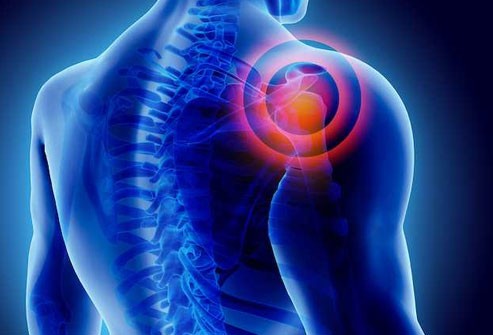
Frozen shoulder is one of the most common shoulder complaints in clinical practice. Medically called adhesive capsulitis, it’s a mechanical loss of shoulder motion due to stiffness. The tissue capsule surrounding your joint becomes inflamed, scarred, and thickened, gradually shrinking and limiting movement.
Dr. Arpit C Dave, as an experienced Arthroscopic Surgeon in Dahisar, Mumbai, specializes in diagnosing and treating frozen shoulder with a patient-centered approach. Treatment begins with conservative methods and progresses only when necessary. Understanding the root cause determines the best path forward.
Is It Really Frozen Shoulder?
Loss of shoulder motion can happen for different reasons. It’s important to distinguish between:
- Stiffness – Limited range of motion, capsule tightness
- Weakness – Difficulty lifting or holding, but can move through range
- Pain – Movement is possible but hurts significantly
True frozen shoulder is primarily stiffness from capsule thickening and scarring. This distinction changes treatment approach significantly.
Frozen shoulder doesn’t have to control your life. Early treatment prevents years of suffering. Get evaluated by Dr. Arpit C Dave today.
Primary vs Secondary Frozen Shoulder
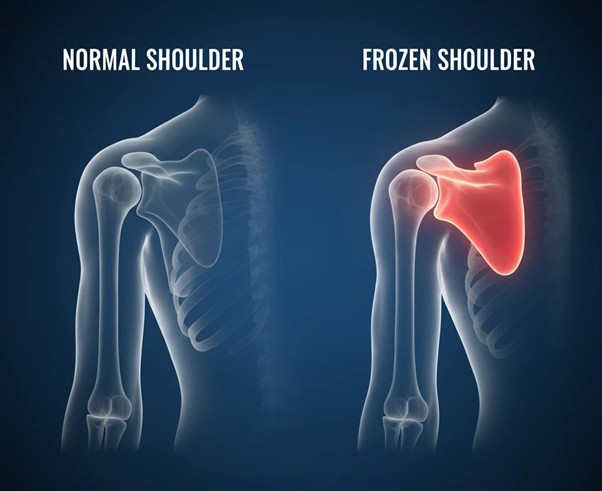
Understanding the cause matters.
Primary Frozen Shoulder
No specific injury or underlying cause identified. More common in patients with diabetes or history of heart problems. Develops gradually over months. Pathology is inflammation and scarring of the joint capsule itself.
Secondary Frozen Shoulder
Results from other shoulder problems like rotator cuff tears, subacromial impingement, labral injuries, or shoulder arthritis. The frozen shoulder develops as a consequence of the primary pathology. Treating the underlying cause is essential for recovery.
Why Diagnosis Matters
Clinical examination is usually enough to diagnose frozen shoulder. However, investigations help identify underlying causes:
- X-ray – Rules out arthritis or bone issues
- Blood tests – Checks diabetes, arthritis markers
- MRI scan – Identifies rotator cuff tears, labral damage, or impingement
These investigations determine if you have primary or secondary frozen shoulder, which guides treatment strategy.
Symptoms You'll Experience
Frozen shoulder develops through three distinct stages, each with its own characteristics.
Stage 1 - Freezing Stage
This is the initial phase lasting 2 to 3 months. You experience increasing shoulder pain with movement. The pain is often worse at night and when moving your arm in certain directions. Your range of motion starts to decrease, but you still have some movement. Many people dismiss this as temporary soreness and delay seeking help.
Stage 2 - Frozen Stage
This phase lasts 4 to 6 months or longer. Pain may actually decrease, but stiffness becomes severe. Your shoulder feels stuck. Even passive movement by someone else becomes difficult. Daily activities like bathing, dressing, or reaching behind your back become impossible. Work becomes challenging, and sleep quality suffers due to positional pain.
Stage 3 - Thawing Stage
This final phase lasts several months to years. Gradually, your range of motion begins to improve. Stiffness starts to ease. However, without proper treatment or physiotherapy, this stage can take years. Many people experience permanent loss of some mobility if they don’t actively work on recovery.
Treatment Philosophy - Progressive Approach
Treatment of frozen shoulder is primarily physiotherapy. Every other treatment helps make physiotherapy effective. Recovery takes weeks to months depending on tissue scarring severity.
Stage 1 - Physiotherapy & Conservative Care

Guided physiotherapy is the foundation. Anti-inflammatory medications reduce inflammation. Physical modalities like ultrasound or short-wave diathermy support healing. Most patients improve with this approach over time.
Stage 2 - Steroid Injections
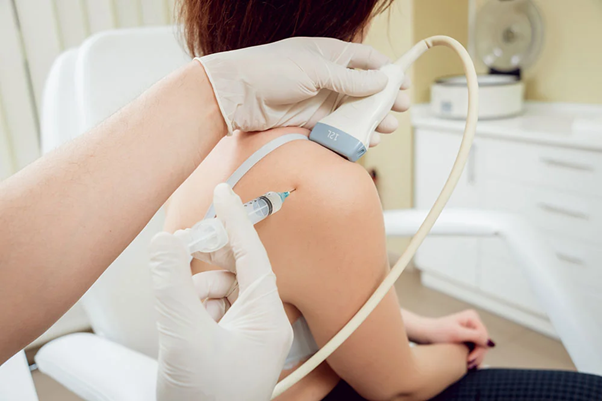
For patients with unbearable pain or slow progress after 3-6 months, intra-articular or subacromial steroid injections help. These reduce inflammation and make physiotherapy more tolerable. Injections are stepping stones, not solutions.
Stage 3 - Surgical Options (Resistant Cases)
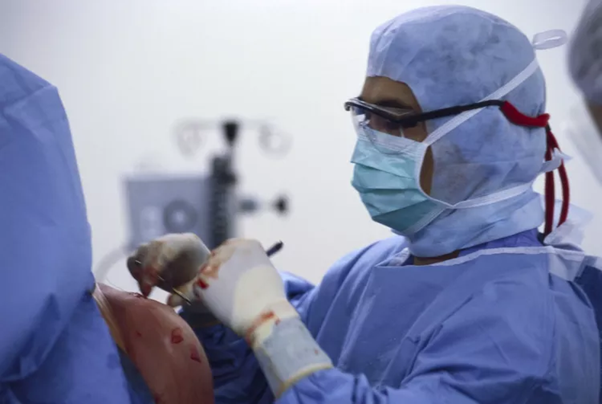
When frozen shoulder resists conservative treatment, surgery becomes an option
Manipulation Under General Anesthesia (MUGA):
- Older technique that physically breaks scar tissue
- Blind procedure – surgeon cannot see inside joint
- Risks include arm bone fracture, nerve damage
- Requires aggressive post-procedure exercise
- Results are less predictable
Arthroscopic Capsular Release:
- Keyhole surgery with HD camera visualization
- Surgeon sees and carefully releases tight capsule
- Uses scissors or radio frequency probe to remove scarred tissue
- Can address underlying pathology simultaneously
- Lower complication rates, better control, predictable outcomes
- Our preferred approach
Arthroscopic capsular release can restore your shoulder’s freedom in weeks, not years. Learn if you’re a candidate for treatment.
Our Frozen Shoulder Treatment Procedure
We perform arthroscopic capsular release through 2-3 small keyhole incisions. Under direct visualization, we release the thickened, inflamed, and scarred capsule tissue. Any underlying pathology identified during diagnosis is addressed at the same time.
The procedure takes 45 minutes to 1.5 hours. Most patients go home the same day.
Procedure Highlights
Keyhole surgery minimizes tissue trauma
HD camera shows exactly what we're treating
Precise release of tight capsule and ligaments
Can treat concurrent issues simultaneously
Same-day discharge
Immediate improvement in range of motion
Lower complication rates vs manipulation
Why Rehabilitation Is Everything
Surgery alone doesn’t cure frozen shoulder. The capsule released, but scar tissue can reform if you don’t move. Immediate and aggressive physiotherapy after surgery is mandatory to prevent recurrence with greater severity.
Your commitment to rehabilitation determines your final outcome more than the surgery itself. This requires patience and active participation.
Recovery and Rehabilitation
Recovery Timeline
- Week 1 to 2: Manage pain, gentle passive stretching, decrease sling use
- Week 2 to 4: Active-assisted exercises, begin physiotherapy
- Week 4 to 8: Active exercises increase, shoulder strengthening starts
- Week 8 to 12: Return to light work and daily activities
- Month 3 to 4: Full range of motion restoration, advanced strengthening
- Month 4 to 6: Return to all activities and overhead movements
Rehab Essentials
- Aggressive range of motion restoration is critical
- Progressive shoulder strengthening program
- Gentle stretching multiple times daily
- Active mobilization prevents re-freezing
- Professional physiotherapy supervision ensures proper progression
Recovery is gradual and requires your active participation. Patience and commitment determine success.
Treatment Cost
Frozen shoulder treatment cost in Mumbai varies by approach:
Conservative Treatment: Ongoing physiotherapy and medications (lower cost, longer duration)
Steroid Injections: ₹15,000 to ₹30,000 per injection
Arthroscopic Capsular Release: ₹1.5 lakhs to ₹3 lakhs
Cost includes surgeon fee, anesthesia, hospital facility, instruments, and initial post-operative care. Physiotherapy costs are separate. Many insurance policies cover surgical treatment when conservative therapy has failed.
Why Choose Dr. Arpit C Dave?
Dr. Arpit C Dave is an experienced orthopedic and arthroscopic surgeon with over 13 years treating shoulder conditions. He specializes in frozen shoulder and takes a comprehensive, diagnosis-first approach.
Thorough Diagnostic Approach
- Clinical examination combined with targeted investigations
- Identifies primary vs secondary frozen shoulder
- Detects underlying pathologies requiring intervention
- Customizes treatment based on specific findings
Conservative-First Philosophy
- Physiotherapy recommended initially
- Surgery only for truly resistant cases
- Avoids unnecessary procedures
- Manages expectations realistically
Surgical Expertise When Needed
- Trained in arthroscopic techniques (Italy, Spain, France)
- 90 percent success rate in arthroscopic releases
- Low complication rates with keyhole approach
- Addresses underlying pathologies simultaneously
Rehabilitation Emphasis
- Partners with experienced physiotherapists
- Coordinates post-operative care for optimal results
- Monitors progress at regular intervals
- Educates on preventing recurrence
- Emphasizes patient responsibility in recovery
International Standards
- Evidence-based treatment approach
- Stays updated on latest frozen shoulder management
- Practices according to international standards
- Brings world-class care to Dahisar, Mumbai
Stop accepting limited shoulder mobility. Early diagnosis prevents prolonged suffering. Schedule your consultation with Dr. Arpit C Dave today.
Google Reviews


Frequently Asked Questions
What causes frozen shoulder?
Frozen shoulder results from inflammation, scarring, and thickening of the joint capsule. Primary frozen shoulder occurs without obvious cause, especially in diabetes patients. Secondary frozen shoulder develops from other shoulder problems like rotator cuff tears or impingement. Identifying the cause guides treatment.
How is frozen shoulder diagnosed?
Clinical examination is usually sufficient. Your doctor checks range of motion and pain pattern. Investigations like X-rays, blood tests, or MRI identify underlying causes in secondary frozen shoulder. This determines whether additional treatment beyond physiotherapy is needed.
Is frozen shoulder always permanent?
No. With proper treatment and rehabilitation, most patients recover. Natural thawing without treatment takes 1-3 years or longer. Conservative treatment speeds recovery to months. Surgical release with aggressive rehabilitation can achieve recovery in 3-6 months, depending on severity.
Does physiotherapy work?
Physiotherapy is the foundation of all frozen shoulder treatment. Every other treatment helps make physiotherapy effective. Commitment to regular stretching and exercises is non-negotiable. Without physiotherapy, even surgery results in poor outcomes.
What's the difference between MUGA and arthroscopic release?
MUGA is an older blind procedure that forcefully breaks scar tissue. Risks include arm bone fracture and nerve damage. Arthroscopic release uses keyhole surgery with HD camera visualization to carefully release the capsule. It’s safer, more controlled, and more predictable. We prefer arthroscopic approach.
Can frozen shoulder return after treatment?
Recurrence is rare (less than 5 percent) after proper arthroscopic release and rehabilitation. Maintaining activity and doing stretches prevents re-freezing. Recurrence is more common in untreated or conservatively managed cases where scar tissue wasn’t surgically released.
How long until I feel better?
After arthroscopic release, immediate improvement in range of motion occurs. Pain typically decreases within weeks. Functional recovery to normal activities takes 2-3 months. Full strength restoration takes 3-6 months. Natural thawing without surgery takes much longer.
Is surgery painful?
Post-operative pain is typically mild to moderate and well-controlled with medications. Most patients report 2-4 out of 10 pain initially, reducing quickly. Physiotherapy stretching can feel uncomfortable but isn’t severe pain. Pain resolves faster after surgery than conservative treatment alone.
Do I need injections before surgery?
Not always. If conservative physiotherapy is failing after 3-6 months and pain is unbearable, steroid injections can help. Injections reduce inflammation and make physiotherapy tolerable. They’re stepping stones toward recovery, not solutions. Surgery may still be necessary if resistant cases don’t respond.