
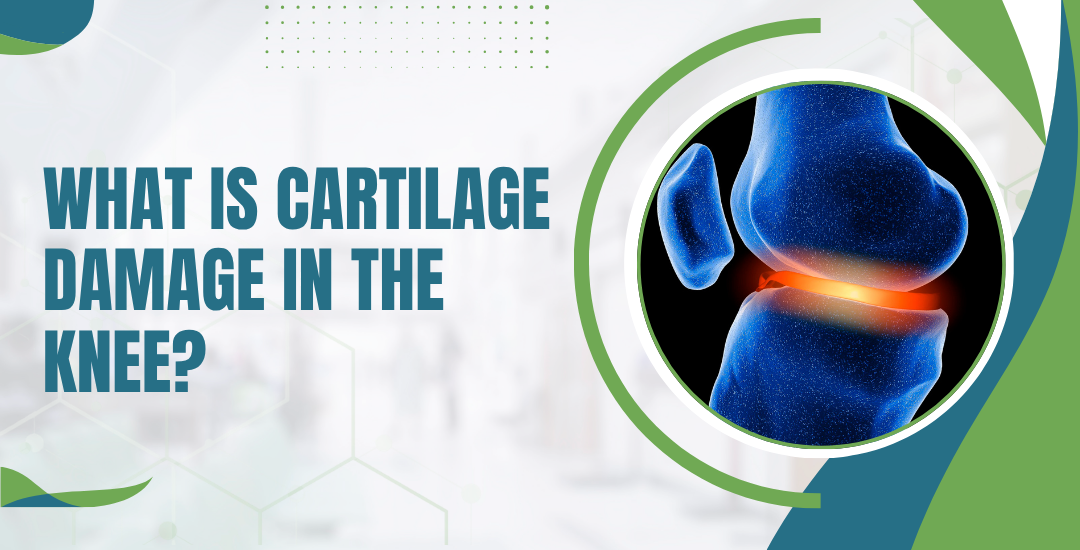
Knee cartilage damage is the wearing, cracking or tearing of the smooth tissue covering the ends of the thigh bone, shin bone and kneecap. This tissue absorbs load and lets the joint glide, but it has no blood supply, so it heals poorly once injured. Causes range from sudden twisting injuries to years of wear.
According to Dr. Arpit C Dave, Arthroscopic Surgeon in Dahisar “a knee that keeps swelling after activity is telling you something inside is irritated, and an MRI at that point beats months of waiting.”
Knee swelling or catching that keeps coming back?
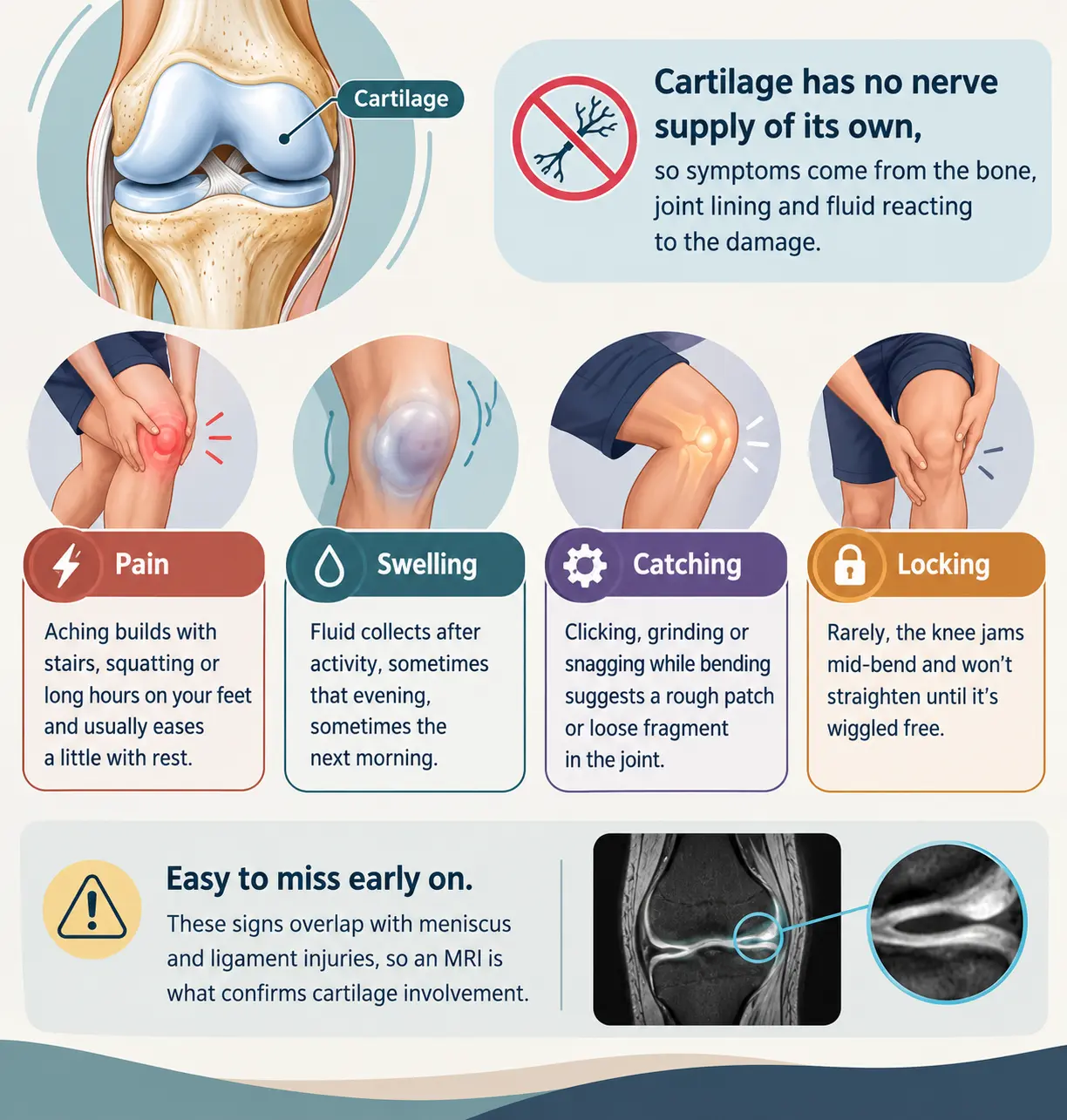
What Are the Symptoms of Knee Cartilage Damage?
Meniscus tears often sit alongside cartilage damage, and Meniscus Tear Treatment covers that side of the knee.
What Causes Cartilage Damage in the Knee?
Damage develops either from a single injury or from years of repeated load on the joint surface.
Injury: A twist, direct blow or fall can crack or shear off a piece of cartilage, often alongside an ACL or meniscus tear.
Overuse: Running, jumping, pivoting sports, and jobs built around heavy squatting or kneeling slowly thin the surface.
Arthritis: Osteoarthritis wears cartilage down gradually with age, while inflammatory arthritis can break it down much faster.
Instability: Because a knee with an untreated ligament injury moves abnormally, the cartilage takes uneven stress and degenerates over time.
Excess weight and poor alignment add load too, and most knees have more than one cause going on.
Understanding arthroscopic surgery before a consultation makes the visit far more useful.
How Is Knee Cartilage Damage Treated?
Treatment depends on defect size, location and symptoms, starting with the least invasive option.
Physiotherapy: Strengthening the muscles around the knee, adjusting activity and managing weight take load off smaller defects and usually come first.
Smoothing: Arthroscopic cleanup trims frayed cartilage and removes loose fragments causing catching.
Marrow Stimulation: Tiny holes in the bone beneath a small defect let marrow cells form repair tissue, though it’s fibrocartilage, not the original surface.
Grafting: Larger defects may need cartilage plugs or cell-based repair, chosen by size, location, age and body weight.
Timing matters. But a repaired surface won’t last in an unstable knee, so any ligament tear gets corrected alongside, which oddly makes ligament surgery part of the cartilage plan.
ACL Tear Surgery and Ligament Reconstruction Surgery often run alongside cartilage care when instability is the cause.
Key Takeaways
- Knee cartilage damage means the joint surface is worn, cracked or torn, and it heals poorly because it has no blood supply.
- Pain, swelling, catching and locking are the main symptoms, and they overlap with meniscus and ligament injuries.
- Injury, overuse, arthritis and ligament instability are the leading causes, and many knees have more than one.
- An exam and MRI confirm the diagnosis, and treatment runs from physiotherapy to arthroscopic repair depending on defect size.
- Early evaluation keeps more options open, since small defects are easier to manage than ones that have spread.
Frequently Asked Questions
Can damaged knee cartilage heal on its own?
Small surface damage may settle with rest and physiotherapy, but larger defects rarely heal fully.
How is knee cartilage damage diagnosed?
Diagnosis combines a physical exam, X-rays, and usually an MRI to see the cartilage.
Does cartilage damage always lead to arthritis?
Not always, but untreated defects can raise the risk of earlier osteoarthritis.
When is surgery needed for cartilage damage?
Surgery is considered when symptoms persist despite physiotherapy or a loose fragment locks the knee.
Disclaimer :
This blog is for educational and informational purposes only and should not be considered professional advice.