
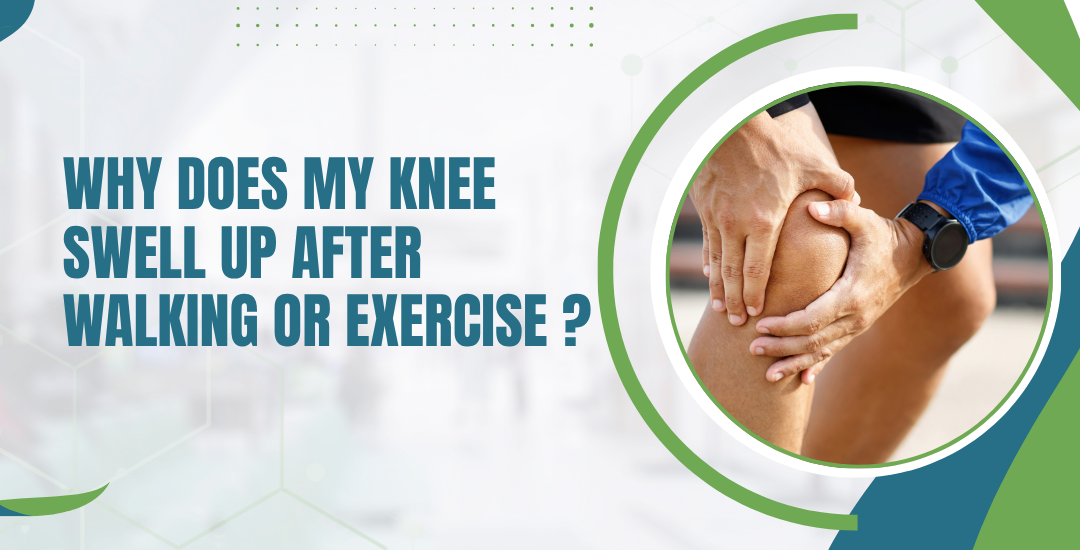
Pain behind the knee may be caused by one of several structures that are located very close to each other such as muscles, tendons, ligaments, cartilage, the knee joint, and even blood vessels. In most cases, it may indicate strain, Baker’s cyst, meniscus damage, arthritis, or overuse. On rare occasions, it may be a sign of circulatory problems which should be treated immediately.
According to Dr. Arpit Dave, the location of the pain alone is not enough for diagnosing the problem since the way it was caused, presence of swelling, and changes in the symptoms during certain activities or while at rest may provide more helpful information.
Dr. Arpit Dave is an orthopaedic and arthroscopic surgeon in Dahisar, Mumbai with specialized fellowships in Italy, Spain, and France. He has performed 3,550+ ACL surgeries, 3,000+ meniscus surgeries and is experienced in treating sports injuries, minimally invasive arthroscopy, and cartilage preservation procedures.
Wondering why such a small area can cause so much discomfort? Let’s explore what is happening around the back of the knee.
Why Does Pain Behind the Knee Occur?
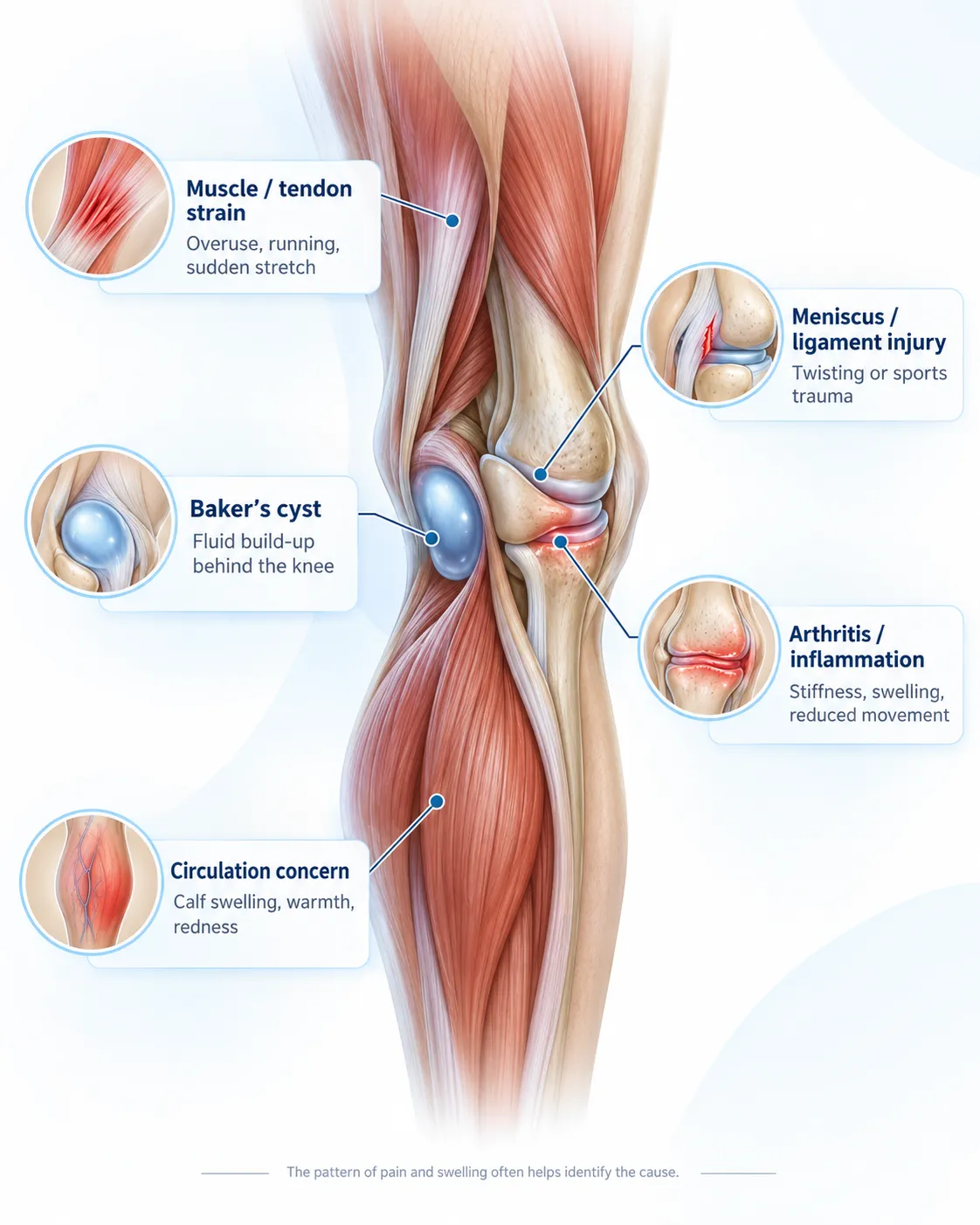
Pain is caused by an inflammation, irritation, strain, compression, or injury of any structure at the back of the knee. This may happen in case of overuse of the structures while running or playing a sport; meanwhile, twisting of the knee may injure cartilages and ligaments.
Some joint diseases may cause accumulation of fluid inside the joint, leading to the development of Baker’s cyst. With age-related osteoarthritis, knee back side pain is accompanied with stiffness and inflammation.
It is important to note that there is a difference between knee back side pain that occurs due to activity and sudden pain due to swelling, warmth or redness.
Could more than one condition produce similar symptoms? Let’s discover the eight common possibilities.
What Are the Common Causes of Pain Behind the Knee?
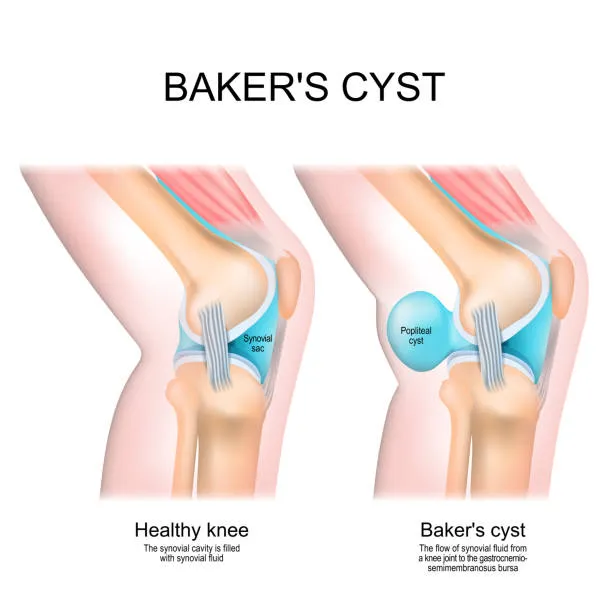
1. Baker’s Cyst
A Baker’s cyst is a fluid-filled swelling behind the knee, often associated with arthritis or another condition inside the joint.
It may cause fullness, stiffness, or a noticeable lump, especially after prolonged standing or activity.
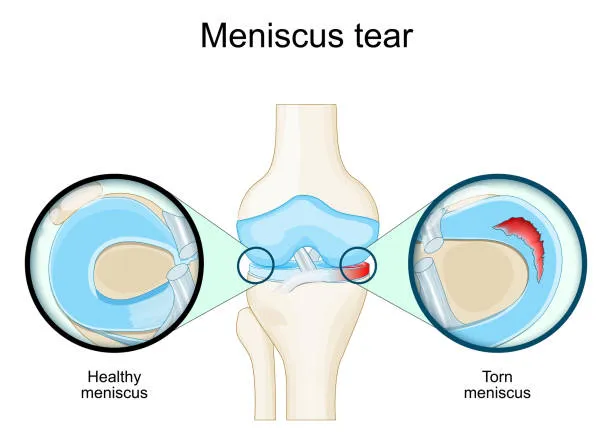
2. Meniscus Tear
The meniscus is cartilage that cushions the knee. A tear may cause back of knee pain, swelling, clicking, catching, or locking, particularly if the posterior part is involved.
It may cause fullness, stiffness, or a noticeable lump, especially after prolonged standing or activity.
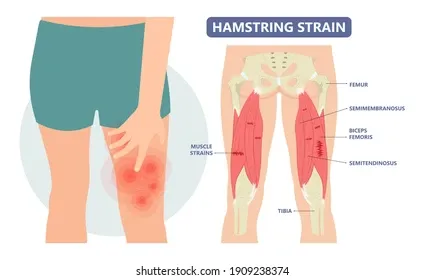
3. Hamstring Tendon Strain
Hamstring tendons attach close to the back of the knee. Running, sudden acceleration, or overstretching can irritate these tissues and cause tenderness above the knee crease.
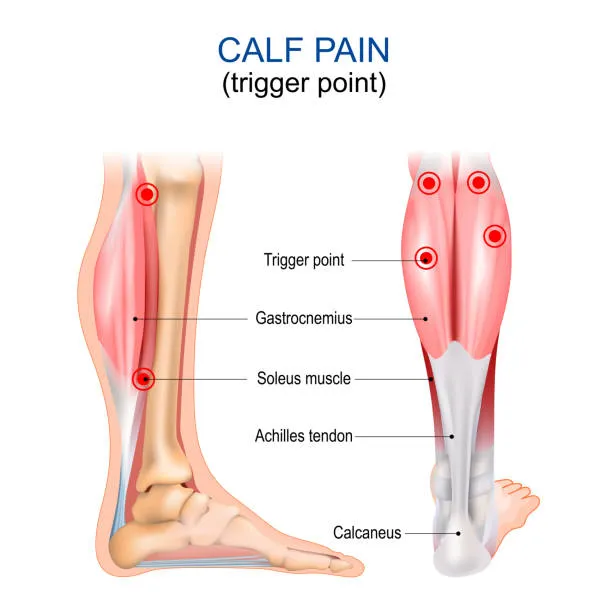
4. Calf Muscle Strain
Hamstring tendons attach close to the back of the knee. Running, sudden acceleration, or overstretching can irritate these tissues and cause tenderness above the knee crease.
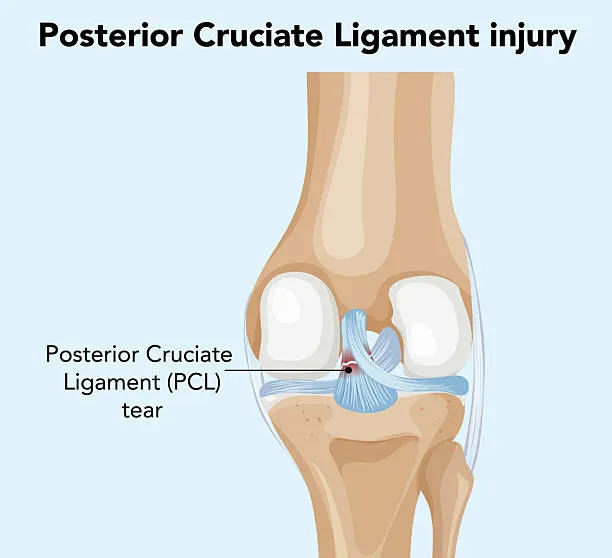
5. PCL Injury
The posterior cruciate ligament helps stabilise the knee. It may be injured after a fall onto a bent knee or a direct impact, causing pain, swelling, and instability.
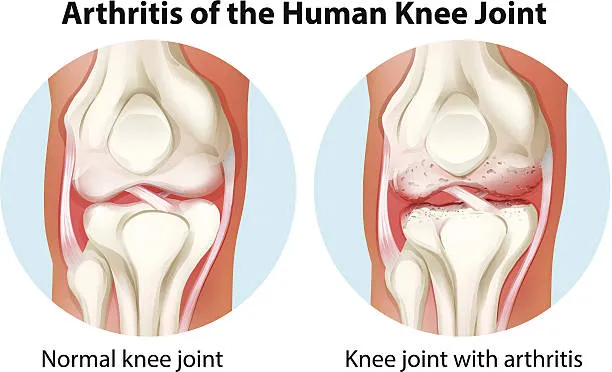
6. Knee Arthritis
Arthritis can cause stiffness, swelling, aching, and reduced range of movement. Inflammation and excess joint fluid may sometimes make discomfort more noticeable behind the knee.
7. Popliteus Tendon Irritation
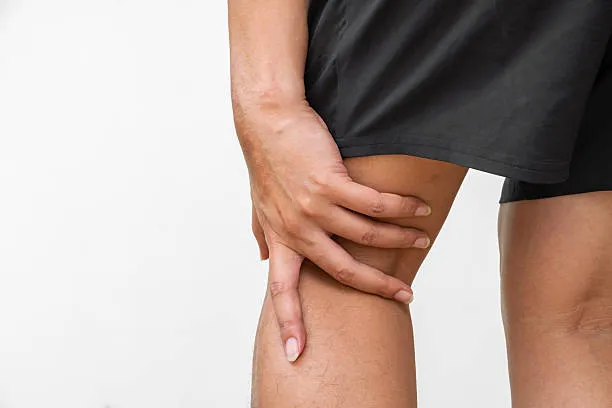
The popliteus is a small structure behind the knee that helps control rotation. Irritation can cause pain during running, especially downhill or during repeated turning movements.
8. Deep Vein Thrombosis
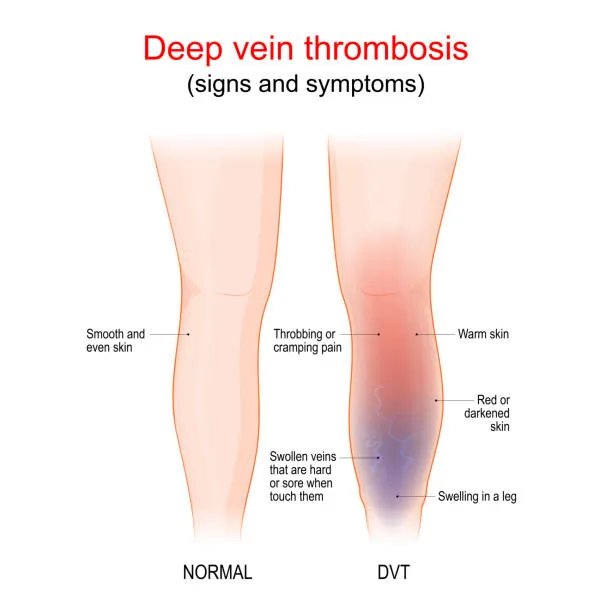
DVT is a blood clot in a deep vein. It may cause pain, swelling, warmth, tenderness, or skin-colour changes in one leg.
Dr. Arpit Dave notes that symptoms such as locking, giving way, or pain after twisting tend to suggest a mechanical knee problem, while unexplained calf swelling and warmth need a different level of urgency.
Does the pain appear only during certain movements? Let’s explore why this detail can help narrow down the cause.
How Does Pain Behind the Knee Change With Movement and Over Time?
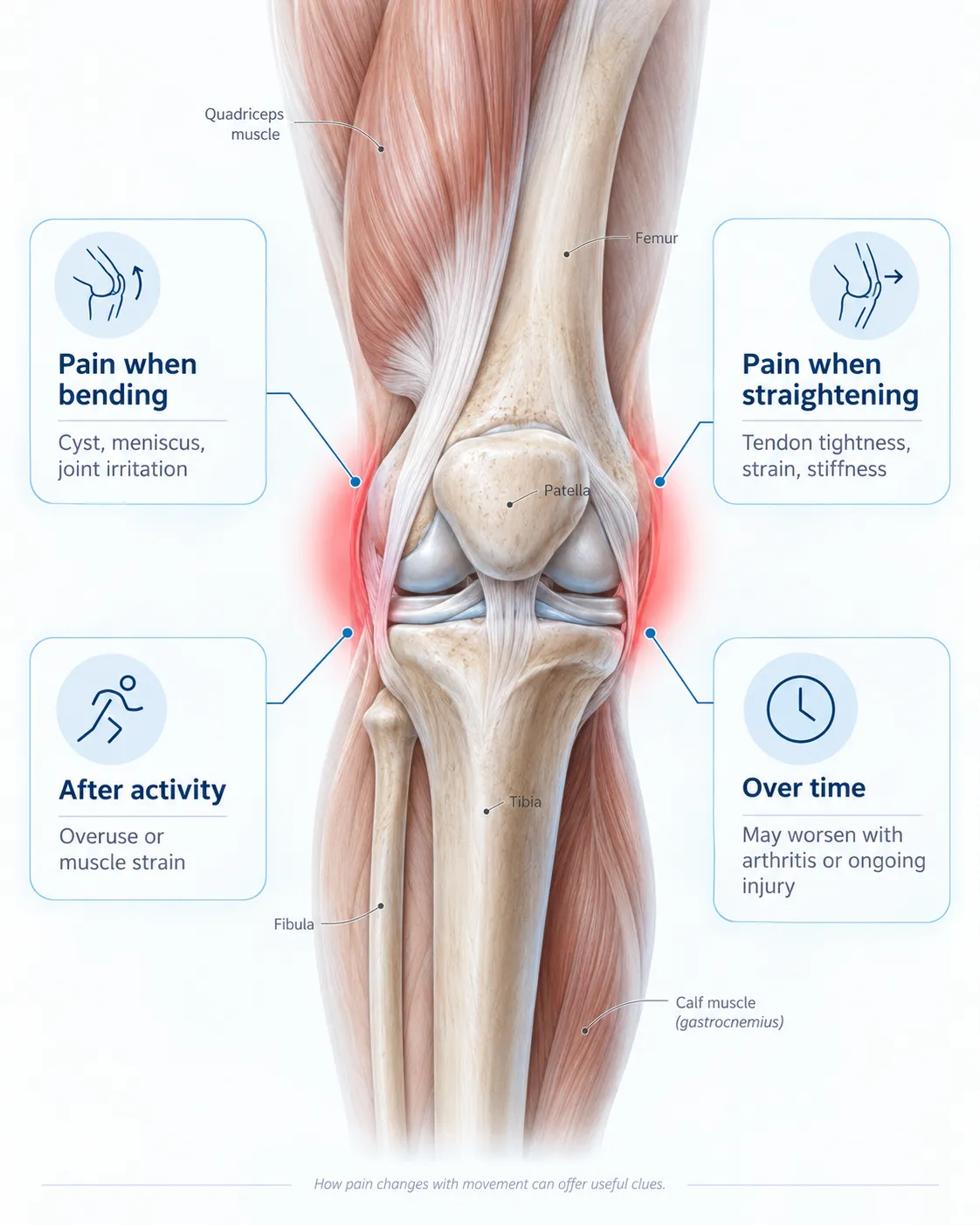
Bending movements may cause pain behind the knee in case of presence of Baker’s Cyst or irritation of the meniscus and/or joint due to compression of soft tissue structures behind the knee.
Pain during full straightening can be related to tendon tightness, muscle strain, inflammation, and/or irritation around the posterior knee.
The condition, where pain slowly evolves during several weeks, can be overuse or arthritis; sudden pain after some twisting, fall or physical activity is usually a sign of acute injury.
Dr. Arpit Dave, one of leading orthopaedic surgeons in Dahisar, Mumbai, states that movement which evokes pain can be just as useful as the pain location itself during a clinical examination.
Can Pain Behind the Knee Be a Sign of a Serious Complication?
It is generally not urgent in nature, however DVT should be ruled out especially if the pain is associated with unexplained one-sided swelling, warmth, tenderness or skin colour changes.
Pulmonary embolism occurs as a result of migration of the clot towards the lung. Shortness of breath, chest pain, dizziness, fainting and/or blood in sputum is an emergency.
Sudden swelling following major knee injury or not being able to bear weight on the leg also warrants prompt assessment.
Unsure whether the discomfort can wait or needs assessment? Let’s discuss the signs that should prompt a medical review.
When Should You See a Doctor for Pain Behind the Knee?
See a doctor if pain:
- Persists beyond one to two weeks
- Gradually becomes worse
- Causes repeated swelling
- Limits walking or stair climbing
- Follows a twisting injury
- Causes locking or instability
- Is associated with numbness or weakness
- Comes with fever, redness, or warmth
- Is associated with unexplained calf swelling
How Is Pain Behind the Knee Diagnosed?
- Medical History: Symptoms, injury history, and pain pattern are reviewed.
- Physical Examination: The knee is checked for swelling, tenderness, movement, and stability.
- X-ray: Helps identify arthritis, fractures, or bone-related changes.
- MRI Scan: Shows meniscus, ligament, cartilage, and other soft-tissue injuries.
- Ultrasound: Helps detect a Baker’s cyst or suspected blood clot.
- Blood Tests: May be advised if infection, inflammation, or clotting problems are suspected.
Scans should support the physical examination rather than replace it. Imaging findings need to match a patient’s symptoms before treatment decisions are made.
Can ignoring the discomfort make the problem harder to manage? Let’s explore what may happen when the underlying cause is not addressed.
What Happens If Pain Behind the Knee Is Left Untreated?
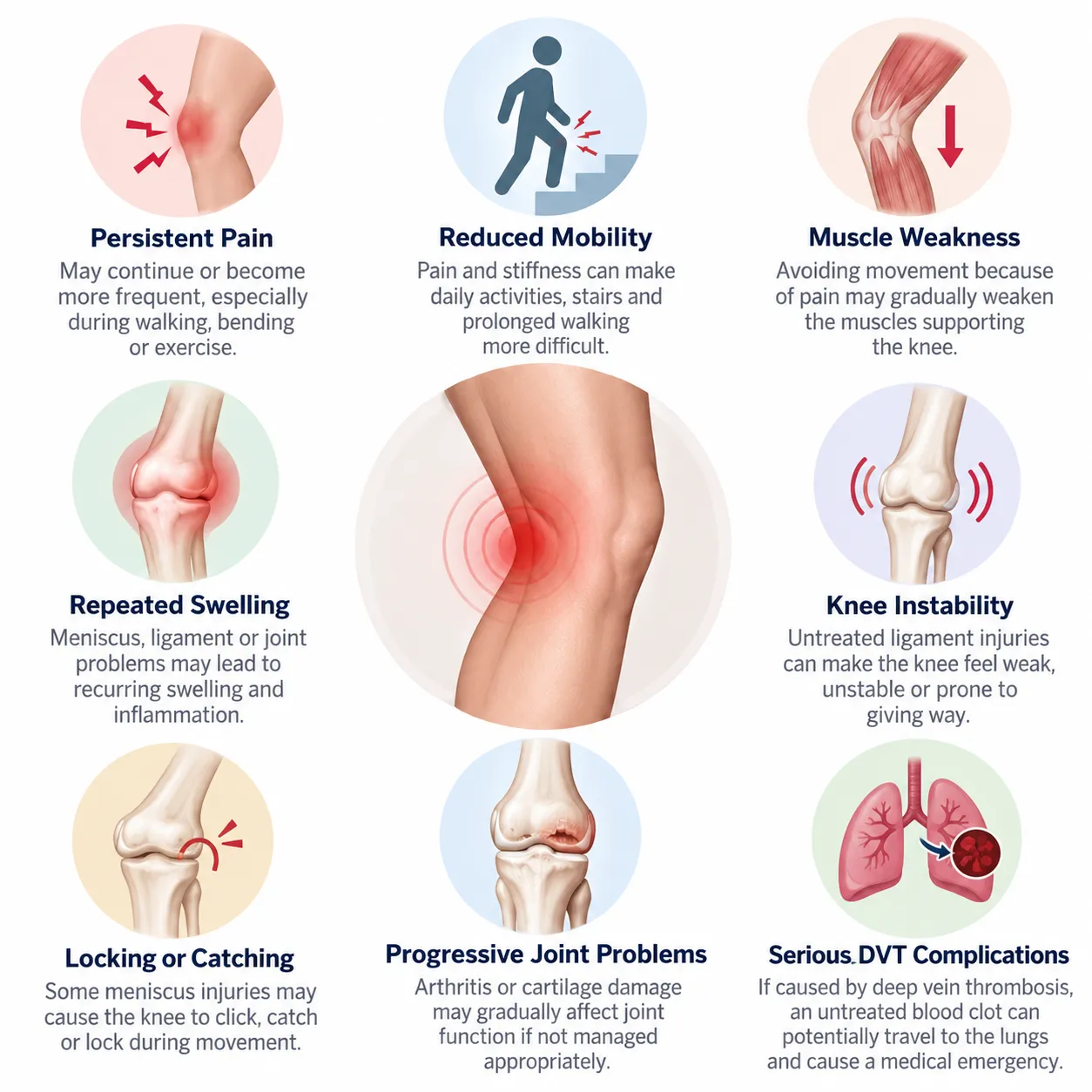
Recurrent pain must not be treated using only methods that bring about temporary relief. Identifying its underlying cause can help protect knee function and guide appropriate treatment.
Does every case require surgery? Let’s discover how treatment changes according to the actual diagnosis.
What Are the Treatment Options for Pain Behind the Knee?
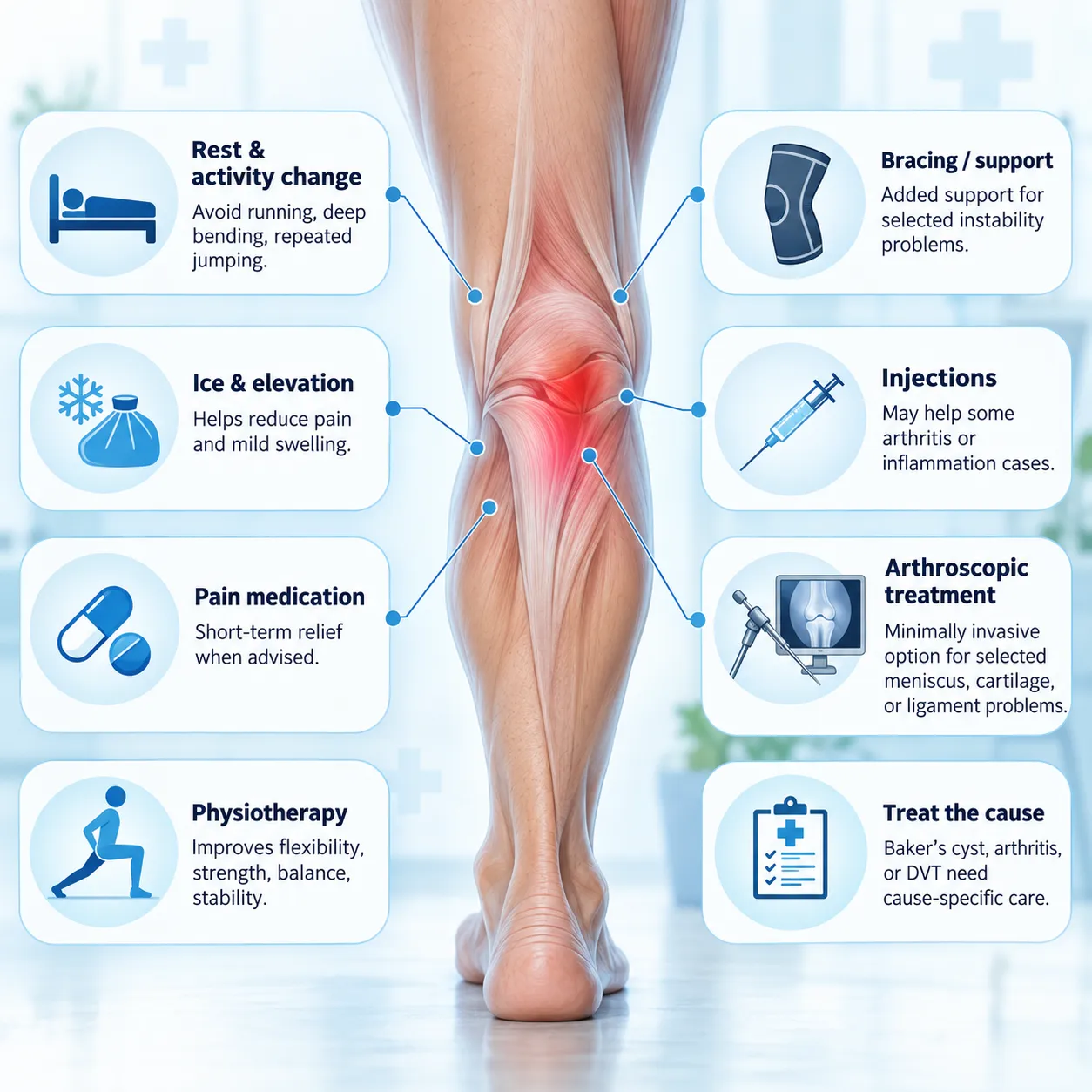
According to Dr. Arpit Dave, the choice of treatment should be determined by the accurate diagnosis, severity of the pain, and its effect on movement.
Looking for safe ways to ease mild symptoms at home? Let’s discover what may help while monitoring the knee.
Recovery and Home Care: What You Can Do in the Meantime
For mild activity-related discomfort, consider:
- Temporarily reducing painful activities
- Applying wrapped ice for short periods
- Elevating the leg if mild swelling is present
- Using gentle stretches that do not increase pain
- Returning to exercise gradually
Avoid aggressive stretching or repeatedly exercising through sharp pain.
If one leg suddenly becomes swollen, warm, red, or unusually tender, home care is not enough because DVT must be considered.
Conclusion
Pain behind the knee may be due to different factors, from muscle or tendon strain, meniscus injuries to arthritis, Baker’s cyst, ligament injuries, or even a blood clot in certain cases. It is important to be aware of the mode of onset of the pain, any movement that exacerbates it, as well as swelling, stiffness, or instability.
In the case of chronic symptoms, a proper evaluation process can help identify the cause of the issue, whether it is due to the meniscus, ligament, cartilage, or other parts of the knee joint. Dr. Arpit Dave’s expertise in arthroscopy, sports medicine and joint preservation surgery can help in dealing with such knee issues.
Knee pain is easier to manage when the cause is understood early. Get in touch with a qualified specialist for personalised advice and treatment.
Frequently Asked Questions
1. Is pain behind the knee serious?
Usually not, but it depends on the underlying cause. If swelling, heat, discoloration or difficulty breathing occurs, it is important to seek immediate medical attention.
2. What causes pain in the back of my knee?
Some of the common causes include muscle strain, inflammation of tendons, arthritis, meniscus issues, and Baker’s cysts.
3. What makes my back knee pain occur when I bend my knee?
This occurs due to compression of the irritated areas, especially if you have an issue like a Baker’s cyst, meniscus issue, arthritis, or joint inflammation.
4. Can arthritis lead to pain behind the knee?
Indeed! Arthritis can lead to inflammation and stiffness of the joints as well as production of excess synovial fluid in the joint.
5. When should I worry about pain behind the knee?
If you suffer from severe pain, sudden swelling, warmth, discoloration, inability to walk or difficulty breathing seek prompt medical attention.
References :
Mayo Clinic, Deep Vein Thrombosis: Symptoms and Causes. Mayo Clinic DVT reference
Mayo Clinic, Deep Vein Thrombosis: Diagnosis and Treatment. Mayo Clinic DVT diagnosis reference