
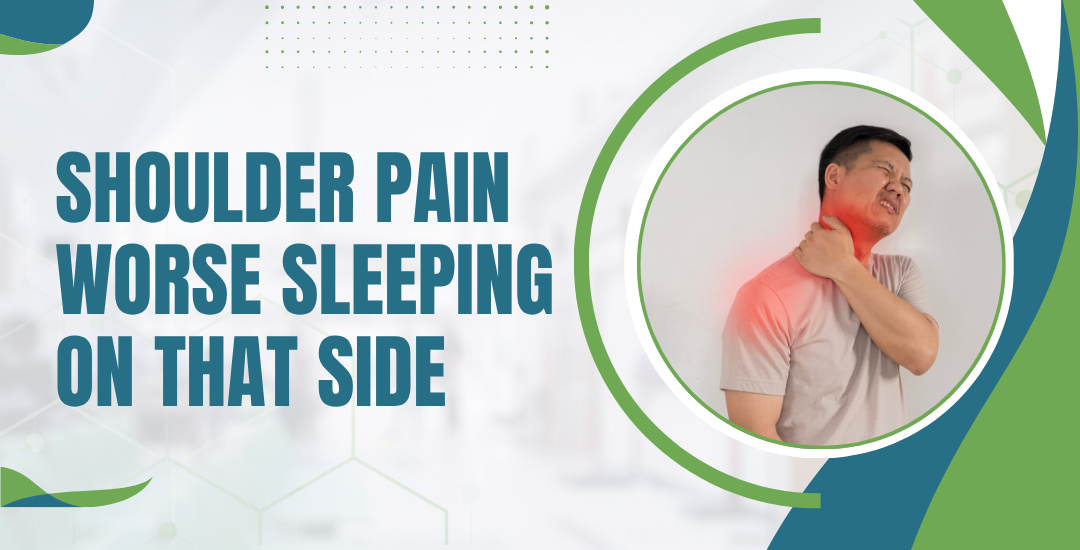
Shoulder pain that worsens on one side during sleep usually comes from direct pressure compressing already inflamed or irritated structures inside the joint. Lying on the affected shoulder for hours pushes the rotator cuff tendons against the bony arch above them, cutting circulation and increasing local inflammation. This mechanical compression is why pain that feels mild during the day can turn sharp and constant once you lie down. Common underlying causes include rotator cuff tendinopathy, subacromial impingement, bursitis and, less often, early stage frozen shoulder.
According to Dr. Arpit C Dave, Arthroscopic Surgeon in Dahisar, “Night pain that keeps waking a patient up is rarely about the mattress, it’s usually the tendon telling you it can’t tolerate that position anymore.”
Waking up more than twice a week from shoulder pain?
What Causes Sleep Related Shoulder Pain?
Several structures around the joint react poorly to prolonged compression, and each tends to produce a slightly different pain pattern at night.
Impingement: When the arm stays rolled forward or overhead for hours the rotator cuff tendons get pinched between the humerus and the acromion, and that repeated squeezing is what produces the deep ache many people feel around 3am.
Bursitis: The bursa sac cushioning the joint can swell from sustained pressure, and swelling inside a confined space simply hurts more, so even a light touch on that shoulder can feel unbearable by morning.
Tendinopathy: Degenerated or thickened tendon tissue doesn’t tolerate compression well at all. It’s already sensitive tissue, so sleeping directly on it is basically adding insult to an existing injury.
Frozen shoulder: Early capsulitis often shows up first as night pain, long before stiffness becomes obvious during the day, which is why a lot of patients don’t connect the two until movement starts disappearing too.
Because these conditions overlap so much, imaging is often needed to tell them apart accurately. Ongoing night pain that doesn’t ease with rest may need evaluation for frozen shoulder treatment.
How Can You Reduce Shoulder Pain at Night?
Simple positioning changes and targeted care can cut down nighttime flare ups considerably.
Pillow support. Tucking a pillow under the affected arm keeps the joint slightly elevated and takes weight off the front of the shoulder, and that one small shift alone stops a lot of the tossing and turning.
Sleep position Switching to the unaffected side, or sleeping on your back with the arm supported, avoids direct compression altogether, though it does take a few nights to actually feel natural.
Anti inflammatory care. A short course of NSAIDs or a cold pack before bed can quiet the swelling enough to get a full night’s rest, but this only manages symptoms, it doesn’t fix the underlying tear or impingement.
Structural repair When conservative steps stop working and imaging confirms real tissue damage, options range from tendon repair to, in advanced joint wear cases, shoulder replacement surgery, and which route fits depends entirely on what’s actually damaged.
So the right fix really depends on whether you’re dealing with inflammation or genuine structural damage, not on switching pillows forever. For more on related shoulder conditions, see our page on Tennis Elbow Pain.
Why Choose Dr. Arpit C. Dave?
Dr. Arpit C Dave is a specialist orthopaedic and arthroscopic surgeon with over 13 years of experience and more than 6000 surgeries performed, trained across Italy, Spain, France and Belgium.
Patients dealing with chronic night pain from shoulder impingement or tendon damage typically notice real improvement in sleep quality within weeks of starting the right treatment plan, surgical or not. Ignoring it rarely makes it go away on its own.
Frequently Asked Questions
Can shoulder pain from sleeping heal on its own?
Mild impingement often improves with position changes and rest, but persistent pain needs assessment.
Which sleeping position is best for shoulder pain?
Back sleeping with arm support usually causes the least compression on the joint.
Is night pain always a sign of a tear?
Not always, it can also mean bursitis, tendinopathy or early frozen shoulder.
When should I see a specialist for shoulder pain?
If pain disrupts sleep for more than two weeks or worsens progressively.