
Arthroscopic ACL Surgery with Structured Physiotherapy for a Grade 3 ACL Tear
Hardik Shah, 36, presented with severe right knee pain and an inability to walk normally, later confirmed on MRI as a Grade 3 (complete) tear of the anterior cruciate ligament (ACL). Under the care of arthroscopic surgeon in Dahisar, Mumbai Dr. Arpit Dave at Lotus Superspeciality Hospital, he underwent arthroscopic surgical treatment followed by a structured, regular physiotherapy program. The outcome was an enormous improvement, with the patient regaining a pain free walking pattern and rating his overall experience 5 out of 5.
Patient Profile
| Age | 36 years |
| Gender | Male |
| Patient Name | Hardik Shah |
| Affected Joint | Right knee |
| Presenting Complaint | Pain and inability to walk |
| Diagnosis | ACL Tear, Grade 3 (complete tear) |
| Diagnostic Method | MRI |
| Treatment Approach | Arthroscopic surgery with structured, regular physiotherapy |
| Outcome | Enormous improvement, pain free walk |
The Condition
Hardik Shah came in with significant right knee pain that had progressed to the point where normal walking was no longer possible. An MRI confirmed a Grade 3 ACL tear, a complete rupture of the ligament, the most severe grade on the ACL injury scale. Complete tears of this kind are commonly associated with knee instability, a sense of the joint giving way, and difficulty bearing weight, all of which were consistent with his presentation.
Given the severity of a complete tear and the functional limitation it was causing, arthroscopic ACL surgery was planned, with a structured physiotherapy program built in from the outset to guide recovery and restore stable, pain free movement.
Consultation and Treatment Plan
What Was Assessed During the Consultation
- Correlation of MRI findings (Grade 3 ACL tear) with clinical signs of instability
- Clinical examination for anterior instability, range of motion, and associated joint signs
- Patient’s activity level, occupational demands, and recovery goals
- Medical fitness review to confirm suitability for arthroscopic surgery
- Planning of the post-operative physiotherapy protocol alongside the surgical plan
“A complete ACL tear rarely improves on its own. The goal with arthroscopic treatment is to restore stability with minimal trauma to the joint, but the surgery is only half the outcome. Consistent, structured physiotherapy afterward is what actually gets a patient back to a normal, pain free walk.”
— Dr. Arpit Dave, Lotus Superspeciality Hospital
Why ACL Reconstruction with Meniscus Repair Was Chosen
- Arthroscopic technique: A minimally invasive, camera-guided approach was used to directly assess and treat the torn ligament
- Individualised planning: The treatment plan was tailored to the patient’s activity level and recovery goals
- Structured rehabilitation: A regular, phased physiotherapy protocol was set from the early recovery period
- Functional focus: The approach prioritised restoring a stable, pain free walking pattern
Before and After
Clinical status at presentation compared with the outcome following arthroscopic ACL surgery and structured physiotherapy under Dr. Arpit C Dave at Lotus Superspeciality Hospital.
| BEFORE | AFTER |
|---|---|
| Pre-treatment: Severe pain, complete ACL tear, unable to walk | Post-treatment: Pain free, normal walking restored |
Procedure Details
Step-by-Step Overview
- Clinical examination and MRI review completed; treatment plan confirmed and explained to the patient
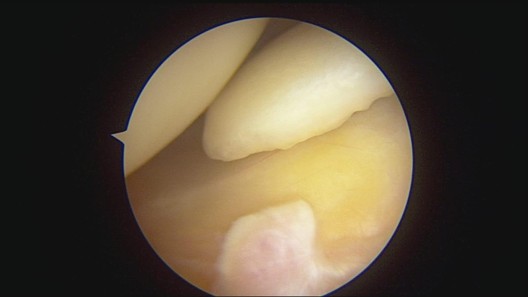
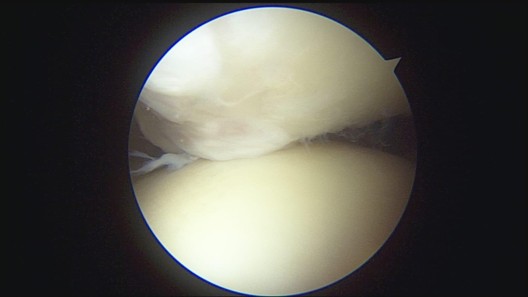
- Arthroscopic evaluation of the knee joint performed to directly visualise the extent of the ACL tear
- Arthroscopic surgical treatment of the torn ligament carried out using a minimally invasive technique
- Joint assessed for stability before closure
- Regular, structured physiotherapy initiated as part of the early recovery protocol
- Follow-up visits scheduled to track healing and rehabilitation progress
Procedure Facts
| Procedure | Arthroscopic ACL surgery |
| Diagnostic Tools | Clinical consultation and MRI |
| Treatments Involved | Arthroscopic surgical treatment, structured physiotherapy |
| Intraoperative Complications | None |
| Hospital | Lotus Superspeciality Hospital |
Post-Operative Results
The arthroscopic ACL surgery was completed with no complications. Recovery was closely tied to the consistency of the physiotherapy sessions that followed.
As strength and joint stability improved through the structured protocol, guided by a phased approach similar to the one outlined in our ACL Surgery Recovery: Week-by-Week Timeline blog, Hardik’s pain reduced steadily and his walking pattern normalised. The overall improvement was described as enormous, with the patient going on to achieve a completely pain free walk.
Outcomes at a Glance
| Outcome Metric | Result |
|---|---|
| Knee Stability | Restored following arthroscopic ACL surgery |
| Pain Levels | Significantly reduced |
| Walking Ability | Pain free walk restored |
| Rehabilitation Progress | On track through structured, regular physiotherapy |
| Patient Satisfaction | Excellent (5/5 rating) |
| Complications | None |
Patient Feedback
Recorded during clinical follow-up under Dr. Arpit Dave, Lotus Superspeciality Hospital.
“I could barely walk when I first came in because of the pain in my knee. Dr. Dave explained the tear, the surgery, and the recovery process clearly, which made me confident about going ahead. After the procedure, I followed my physiotherapy regularly, and the improvement has been enormous. I am walking without pain now. Excellent experience overall, and I would rate it a full 5 out of 5.”
— Hardik Shah
Post-Procedure Care and Recovery
Instructions Given to Patient
- Follow the prescribed physiotherapy protocol closely and attend sessions regularly
- Use knee support/brace as advised during the initial recovery phase
- Gradual, guided progression of weight-bearing as directed by the physiotherapist
- Avoid high-impact activity until cleared by the surgeon
- Complete any prescribed medication in full
- Attend scheduled follow-up visits to track healing
- Report any unusual swelling, pain, or instability between appointments
Recovery Timeline
| Timeframe | What to Expect |
| Initial phase | Pain and swelling managed with medication and support; assisted mobility as advised. |
| Early weeks | Regular physiotherapy begins, focused on range of motion and early strengthening. |
| Mid recovery | Progressive weight-bearing and strengthening exercises under physiotherapy guidance. |
| Later recovery | Continued structured physiotherapy; patient regains a normal, pain free walking pattern. |
| Ongoing | Periodic follow-up to confirm sustained joint stability and function. |
Frequently Asked Questions
Q1. What is a Grade 3 ACL tear?
A Grade 3 ACL tear is a complete rupture of the anterior cruciate ligament. It is the most severe grade of ACL injury and commonly causes knee instability, pain, and difficulty walking, often requiring surgical treatment to restore stability.
Q2. Why is arthroscopic surgery used for a complete ACL tear?
Arthroscopic surgery allows the surgeon to directly visualise and treat the torn ligament through small incisions using a camera and specialised instruments. This minimally invasive approach helps reduce surgical trauma while addressing the underlying instability caused by the tear.
Q3. How important is physiotherapy after ACL surgery?
Physiotherapy is a critical part of recovery. Regular, structured sessions help rebuild strength and control around the knee, which is what ultimately restores a stable, pain free walking pattern after surgery.
Q4. How long does recovery take after arthroscopic ACL surgery?
Recovery timelines vary by patient, but most begin physiotherapy early and progress through structured phases of strengthening and mobility work. Consistency with the rehabilitation protocol plays a major role in how quickly and completely function is restored.
Q5. Is arthroscopic ACL surgery painful?
Post-operative discomfort is expected but is generally well managed with medication and guided physiotherapy. Most patients see steady improvement in comfort as they progress through the recovery protocol.
Related Reading
Read another perspective on ACL treatment in our ACL Reconstruction with Meniscus Repair case study, or browse more patient outcomes on the Case Study page.