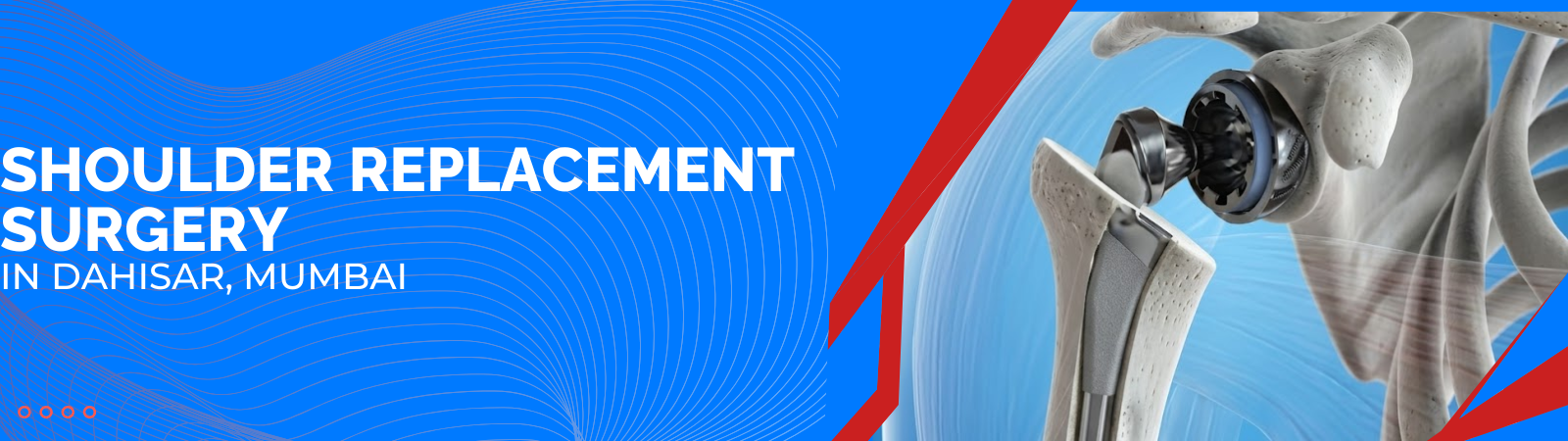
Shoulder Replacement Surgery in Dahisar, Mumbai
Introduction
Some shoulders just wear out. When the pain never really switches off, and tablets, injections and physio have stopped making a difference, even getting dressed or rolling over in bed turns into a chore. That’s usually the point where shoulder replacement comes up. The worn parts of the joint are taken out and swapped for smooth artificial ones, and for most people the pain that’s been dragging on for months finally eases.
It’s usually advised for advanced arthritis, badly damaged or fractured joints, or a type of arthritis called rotator cuff tear arthropathy, which builds up after a rotator cuff tear has been left for years. When it’s the right fit, the difference is hard to overstate. You sleep through the night again. You reach the top shelf without wincing. You stop leaning on other people for the small stuff.
Dr. Arpit C. Dave is an arthroscopic surgeon in Dahisar, Mumbai with more than 13 years behind him and fellowship training across Italy, Spain and France. At Dr. Dave’s Clinic in Dahisar East, the first job is an honest one: working out whether you actually need a replacement at all. If you do, you’re walked through every step, from the first scan to the last physio session.
What is Shoulder Replacement Surgery?
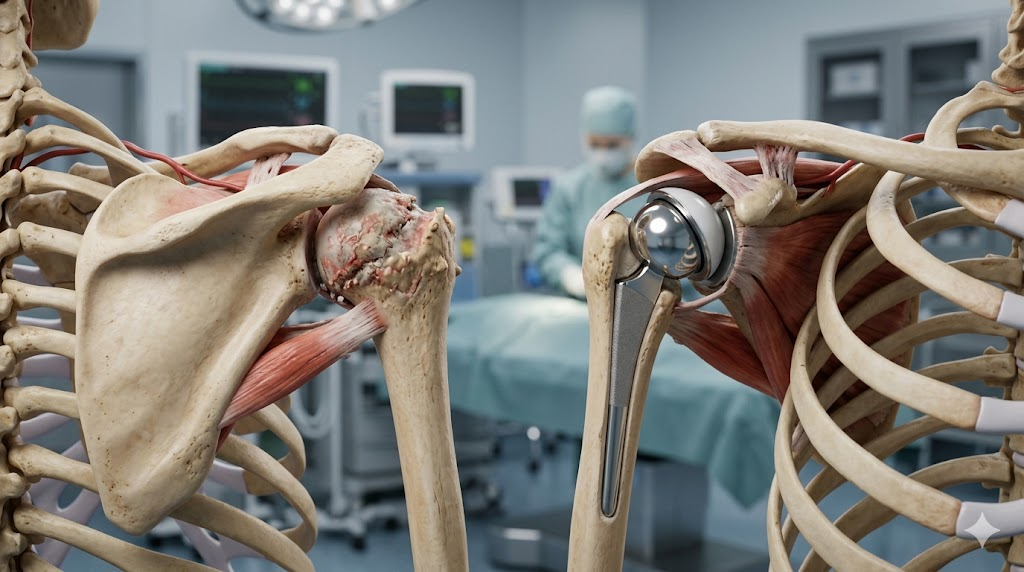
Shoulder replacement surgery removes the damaged surfaces of the shoulder joint and replaces them with artificial metal and plastic parts to relieve pain and restore movement. It’s most often used for advanced shoulder arthritis, severe fractures and rotator cuff tear arthropathy once non surgical treatments have stopped working.
Shoulder replacement, or shoulder arthroplasty if you want the medical term, swaps the damaged surfaces of your joint for artificial ones. Picture the shoulder as a ball sitting in a shallow socket: the ball is the top of your arm bone, the socket sits on your shoulder blade. Cartilage normally lets the two glide past each other. Once it wears thin, or the bone underneath gets damaged, every movement starts to grind and ache.
In surgery, the worn ball is removed, along with the socket if it needs it, and replaced with parts made of surgical metal and hard plastic. The goal is simple: a smooth joint that moves without pain. If only a small patch is worn, we’d usually try something less drastic first, like cartilage preservation treatment. Replacement is for shoulders that are too far gone for that.
This isn’t a snap decision. We only get to replacement after medication, activity changes, physio and injections have all had a fair go and still haven’t done enough.
Who Needs Shoulder Replacement Surgery?
Plenty of things can wreck a shoulder to the point of needing surgery. Before recommending anything, Dr. Dave confirms what’s actually going on with an examination and imaging such as X rays or an MRI scan.
And not every sore shoulder needs replacing. A frozen shoulder or a recurrent shoulder dislocation are completely different problems with completely different fixes, which is exactly why the diagnosis comes first.
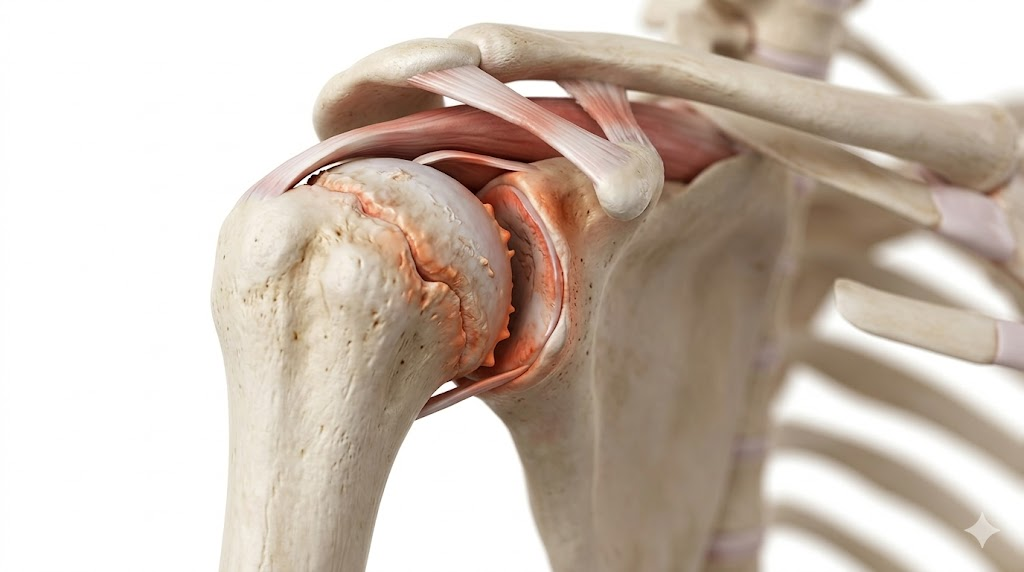
Osteoarthritis of the Shoulder
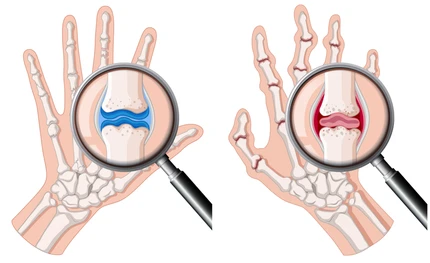
By far the most common reason. The cartilage thins out over years until bone is grinding on bone, and it tends to get worse, not better.
Rheumatoid Arthritis
Here your own immune system goes after the joint lining. It eats away at cartilage and bone, and it often hits both shoulders rather than just one.
Rotator Cuff Tear Arthropathy
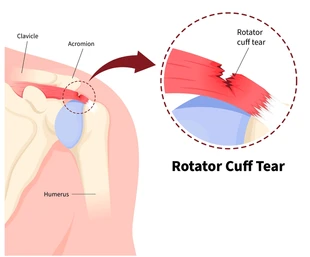
A big rotator cuff tear that’s been there for years, and is past fixing with rotator cuff repair, leaves the joint unstable and sets off its own kind of arthritis. Shoulders like this usually need a reverse replacement, not a standard one.
Severe Shoulder Fractures
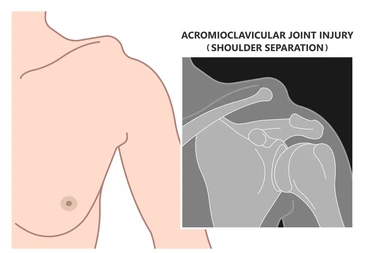
Sometimes the top of the arm bone breaks into several pieces, often after an older person takes a fall. When the bone can’t be pieced back together reliably, replacing the joint gives a steadier result.
Avascular Necrosis
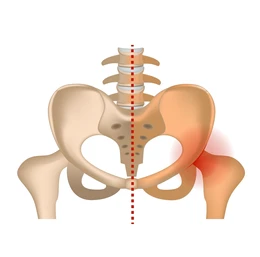
If the blood supply to the ball of the joint gets cut off, the bone slowly dies and collapses. The joint surface goes with it, and the pain that follows often needs surgery.
Failed Previous Shoulder Surgery
If a past shoulder operation never sorted the pain, or left fresh damage behind, a replacement, or a revision of an old one, can be the way forward.
Types of Shoulder Replacement Surgery
Which replacement you need comes down to the state of the joint, whether your rotator cuff is still working, and how active you are.
Total Shoulder Replacement
The ball and the socket both get replaced, a metal ball on a stem and a plastic socket. It works beautifully when the rotator cuff tendons are still intact, and it’s the go to for advanced osteoarthritis.
Reverse Shoulder Replacement
This one flips the joint around. The ball goes onto your shoulder blade and the socket onto your arm. Sounds odd, but it lets the big deltoid muscle do the lifting instead of a worn out rotator cuff, which is why it suits rotator cuff tear arthropathy.
Partial Shoulder Replacement
Also called a hemiarthroplasty. Only the ball is replaced and your own socket stays put. It’s an option for some fractures, or when just one side of the joint has taken the damage.
Revision Shoulder Replacement
A redo. It replaces or corrects parts from an earlier replacement that’s worn out, loosened or picked up an infection. These are trickier cases, so it pays to have a surgeon who does a lot of shoulder reconstruction.
Symptoms That May Indicate the Need for Shoulder Replacement
Surgery usually comes into the picture when the symptoms are bad, constant, and getting in the way of normal life despite everything else you’ve tried. Things to look out for:

Pain that won't quit, even at rest, and that medication barely touches
Struggling to lift your arm, whether that's reaching a shelf or doing up a shirt
A shoulder that simply won't move as far as it used to
Pain at night, especially the moment you lie on that side
Stiffness that physio keeps failing to shift
Weakness that turns ordinary jobs, like carrying the shopping, into a problem
Benefits of Shoulder Replacement Surgery
Done on the right shoulder, this is one of the most dependable operations in orthopaedics. Here’s what tends to change:
Pain that won't quit, even at rest, and that medication barely touches
You get your movement back, reaching, lifting and rotating without the catch
Sleep improves once the night pain settles down
Day to day jobs like washing, dressing and cooking get easier
And you lean on other people a lot less
How is Shoulder Replacement Surgery Performed?
It’s done in theatre and usually takes one to two hours. Roughly, here’s how it goes:
1. First, the work up: an examination, scans and fitness checks so the right implant and approach are mapped out for you.
2. On the day, you're put under general anaesthesia, often with a nerve block to keep you comfortable afterwards.
3. The worn ball is taken out, and the socket too if it needs replacing.
4. The new metal and plastic parts are fixed firmly in place to rebuild a smooth joint.
5. Before closing up, the joint is moved through its range to check it's stable and sitting right.
6. Then recovery starts, first in hospital, then with a proper physio plan.
Tired of a shoulder that dictates your day? The earlier you’re seen, the more we can do about it. Get evaluated by Dr. Arpit C. Dave.
Recovery After Shoulder Replacement Surgery
Recovery takes time, and it leans heavily on physio. The pain usually settles early, and then movement and strength come back bit by bit over a few months. Treat the table below as a rough map, not a promise, because a lot depends on the type of surgery and your general health.
Recovery Timeline
Hospital stay
1 to 3 days
Sling usage
2 to 6 weeks
Physiotherapy begins
Soon after surgery, as advisedSoon after surgery, as advised
Daily activities
4 to 8 weeks
Months 3 to 6:
Improved function
Full recovery
Up to 12 months
Honestly, your physio matters more than the operation itself when it comes to the end result. Skipping physiotherapy is the fastest way to end up stiff and stuck, with a recovery that drags on far longer than it should.
Risks and Complications of Shoulder Replacement Surgery
Like any big operation, it carries some risk, though serious problems are rare and good planning, clean technique and careful aftercare keep them that way. The ones worth knowing about:

Infection, either at the wound or around the implant
Blood clots, usually in the arm, occasionally elsewhere
An implant that loosens or wears down after many years
Stiffness, mostly when the rehab gets skipped
Nerve irritation that affects feeling or movement, and is usually temporary
Dislocation of the new joint, something we watch for more closely with reverse replacements
Dr. Dave goes through all of this with you before anything is decided, so you’re choosing with your eyes open. The protocols at the clinic are built around keeping these risks as low as they go.
Shoulder Replacement Surgery Cost in Dahisar, Mumbai
There’s no single price, because no two shoulders are the same. As a ballpark, most cases land somewhere between ₹2,50,000 and ₹6,00,000, but you’ll only get a real number after a consultation. What moves it up or down:
The implant itself, whether it's a standard or a premium one
Which replacement you need, partial, total, reverse or a revision
The hospital side of things, room type, theatre, how long you stay
How complex your particular case turns out to be
And how much physio you'll need once you're home
For a proper estimate, plus help with insurance and cashless cover, get in touch with the clinic in Dahisar East.
Want your shoulder working like it should again? The sooner you start, the better it tends to go. Schedule your consultation with Dr. Arpit C. Dave. Book an Appointment.
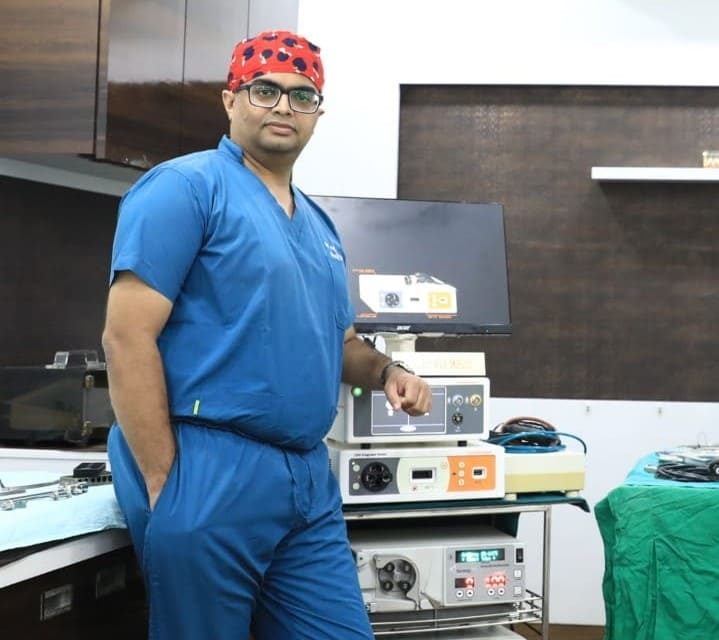
Why Choose Dr. Arpit C. Dave for Shoulder Replacement Surgery in Dahisar?
Who does the surgery genuinely matters here. Dr. Arpit C. Dave brings the technical side and the human side together:
More than 13 years in orthopaedics, with shoulders as a real focus, plus fellowship training across Italy, Spain and France
Modern implants and techniques picked for precision and a quicker recovery
A diagnosis first habit, so surgery only gets recommended when it's genuinely your best option
Physio support that starts on day one and stays with you to the finish
Straight answers, no jargon, and follow up that's easy to actually get
Shoulder replacement is only part of what Dr. Dave does. He also handles the trickier instability cases, including ones that need a remplissage procedure, so you’re matched to the right treatment rather than a one size fits all version of it.
Wondering what it’ll cost you? Every shoulder is priced on its own, with insurance and cashless guidance sorted out for you. Learn what’s involved.
Google Reviews


Frequently Asked Questions
Is shoulder replacement surgery painful?
You’re asleep under anaesthesia, so the operation itself is painless. There’s some soreness afterwards, but medication and nerve blocks handle it well. Most people are honestly just relieved that the old arthritis pain has gone almost straight away.
How long does a shoulder replacement last?
They’re built to last. Most shoulder implants keep going well past 10 to 15 years, and plenty last longer, especially if you stick to the activity advice and turn up for your check ups.
Can I lift my arm after shoulder replacement surgery?
Yes, and getting that movement back is the whole point. It comes gradually, with gentle exercises early on that build up over weeks and months. Heavy lifting waits until your surgeon gives the nod.
What is the success rate of shoulder replacement surgery?
It’s one of the most reliable operations in orthopaedics. The large majority of patients get solid pain relief and noticeably better movement, and the odds are best with an experienced surgeon and proper rehab afterwards.
When can I drive after shoulder replacement surgery?
Once you’re out of the sling, have decent control of the arm, and you’re off the strong painkillers, usually somewhere around 4 to 6 weeks. But wait for your surgeon to actually say it’s safe before you get behind the wheel.