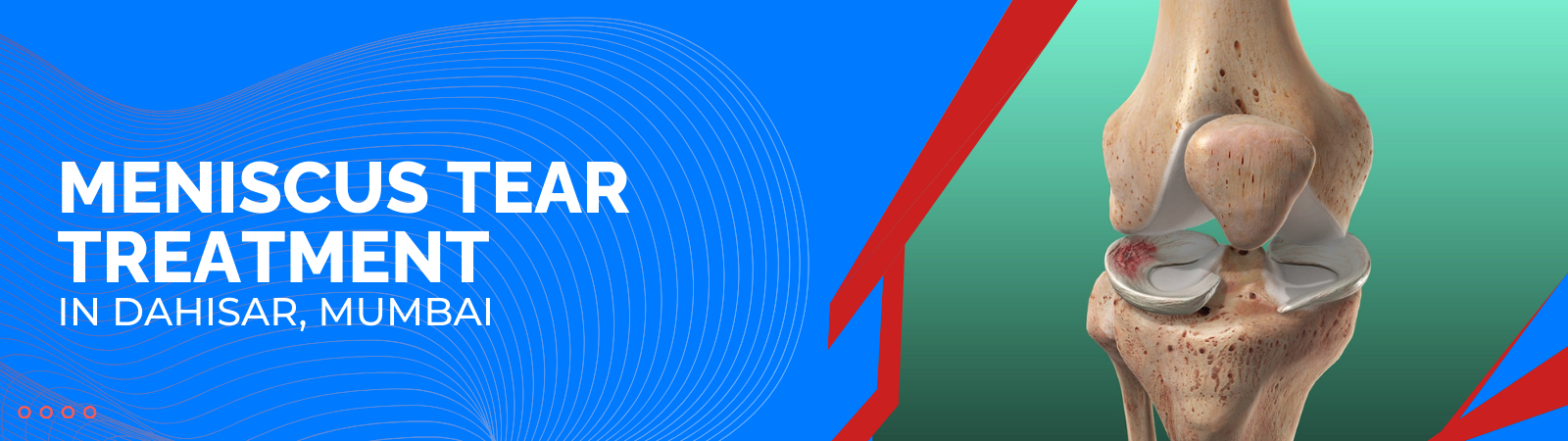
Meniscus Tear Treatment in Dahisar, Mumbai
Knee pain that worsens with movement, a catching sensation when you bend your leg, or a knee that suddenly locks up — these are signs that something is seriously wrong inside your joint. In many cases, the culprit is a torn meniscus. Meniscus tears are among the most frequently diagnosed knee injuries, affecting not just athletes and sports enthusiasts but also working professionals, middle-aged individuals, and older adults whose cartilage has weakened over time. Left unaddressed, a meniscus tear can progressively damage the surrounding cartilage and lead to early-onset arthritis.
If you are looking for expert meniscus tear treatment in Dahisar, Mumbai, Dr. Arpit C Dave offers advanced, evidence-based care tailored to your specific injury pattern and lifestyle. As a skilled arthroscopic surgeon in Dahisar, Mumbai, Dr. Dave specialises in minimally invasive knee procedures that restore function, reduce pain, and support long-term joint health with a strong focus on getting you back to your routine as safely and efficiently as possible.
What Is a Meniscus Tear?
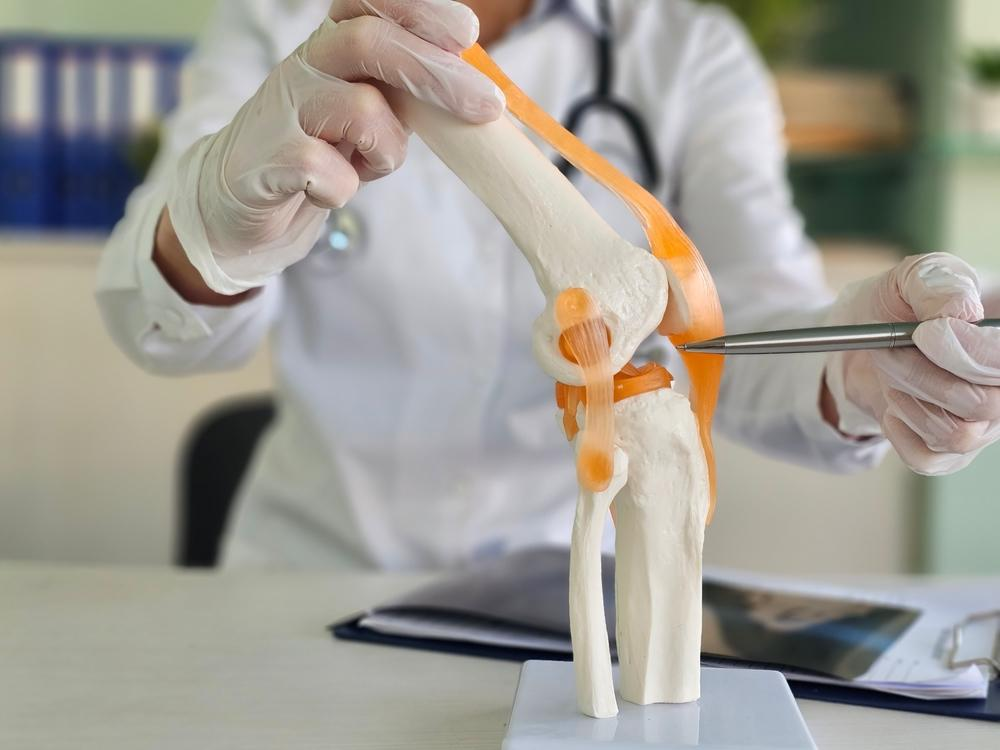
The knee joint contains two crescent-shaped cartilage pads, the medial and lateral meniscus, that act as shock absorbers between the thigh bone and shin bone, distributing load and stabilising the knee during movement. When either of these tears, it leads to pain, swelling, and reduced knee function. Tears can occur suddenly through a sporting injury or twisting motion, often alongside other injuries like ACL tears in younger patients, or develop gradually due to age-related wear, where even a simple squat or misstep can trigger a degenerative tear in older individuals.
Common Symptoms of a Meniscus Tear:
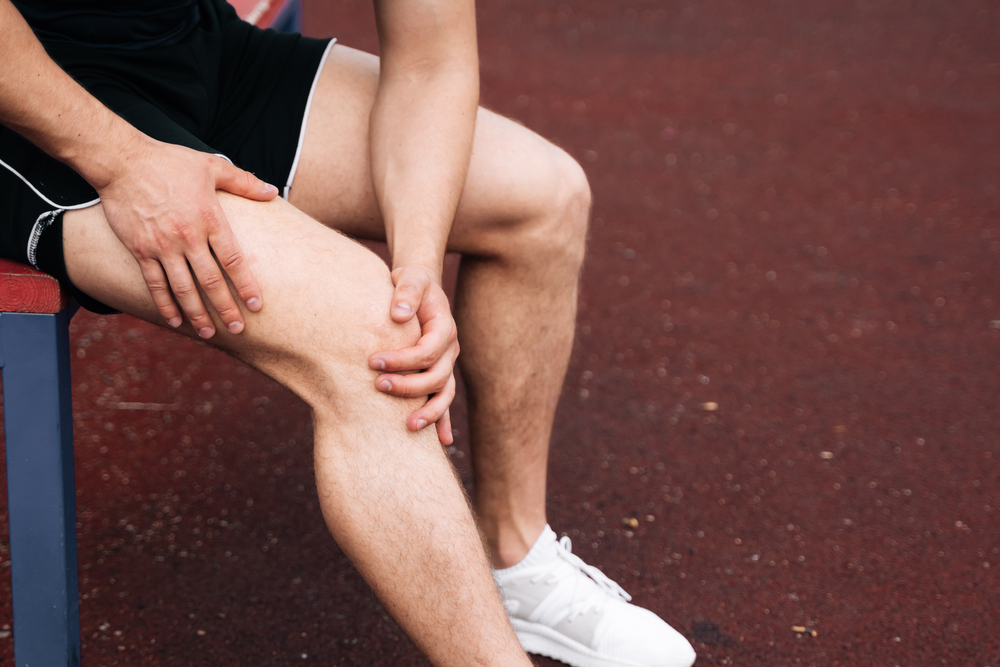
Sudden injury or fall
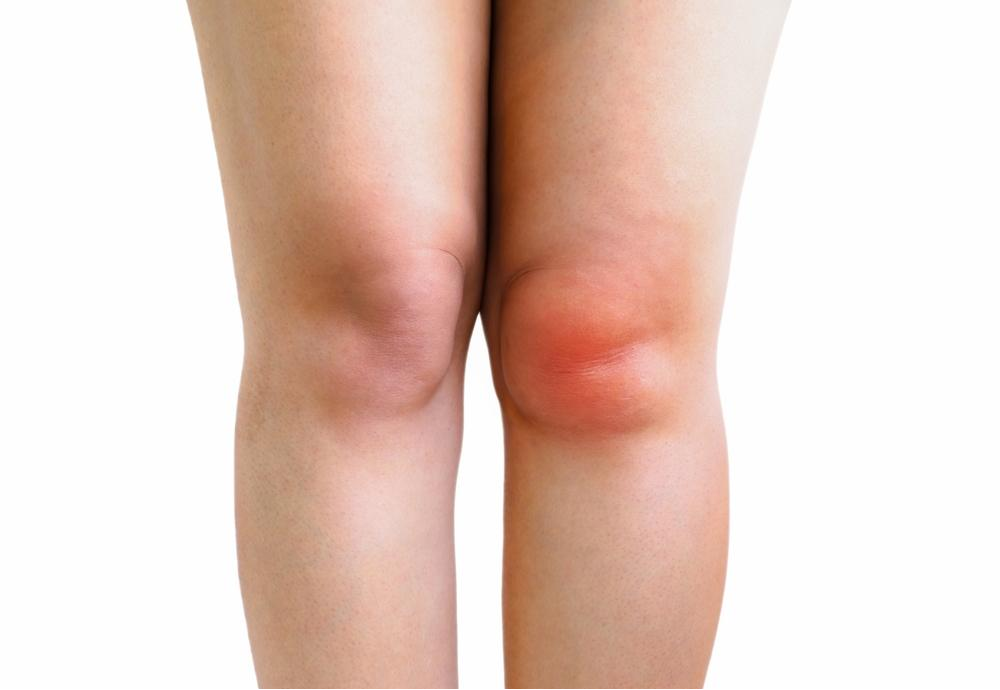
Swelling and stiffness
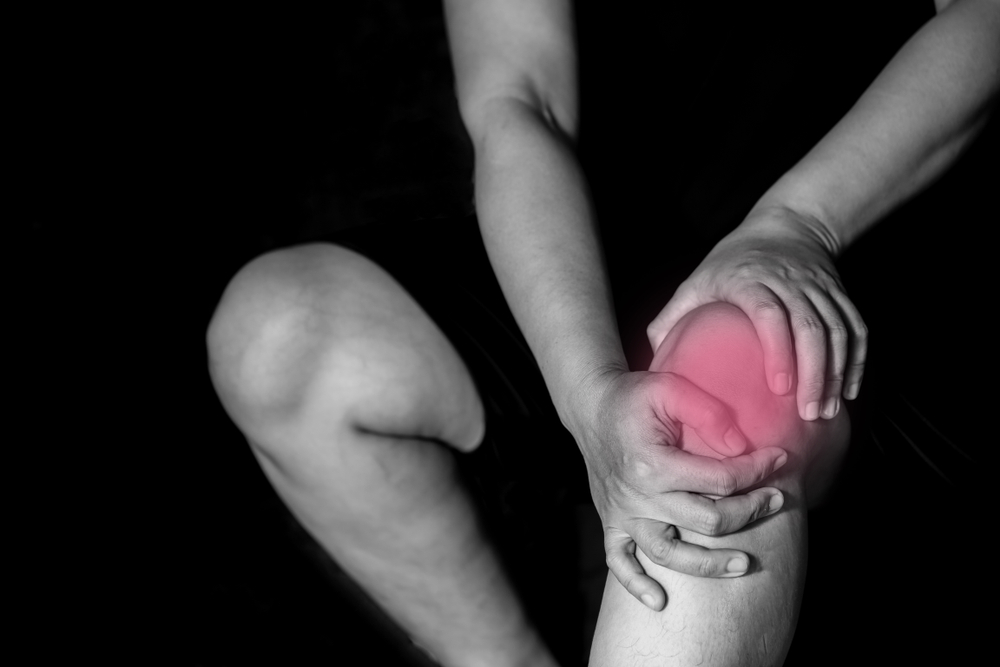
Locking or catching sensation

Difficulty bending or straightening the knee
Everyday movements like climbing stairs, sitting cross-legged, or getting up from a chair become painful and restricted. Recognising these symptoms early and getting a proper evaluation is critical. What begins as occasional discomfort can escalate into chronic instability and joint damage if the tear is left untreated.
Don’t wait for the pain to worsen. Book your knee evaluation today and take the first step toward lasting relief.
When Is Meniscus Tear Treatment Recommended?
Not all meniscus tears require surgery. Small tears in the outer blood-rich zone of the meniscus often respond well to rest, medication, and physiotherapy. However, larger or complex tears, especially those causing mechanical symptoms like locking or persistent giving-way, typically require surgical intervention for lasting relief. The right treatment depends on the size and location of the tear, alongside the patient’s age, activity level, and overall knee health.
Surgical treatment is generally recommended when:
The tear is large, complex, or involves a displaced fragment
Mechanical symptoms like locking, catching, or giving-way are present
Pain and swelling persist despite weeks of conservative treatment
An MRI confirms a tear that is unlikely to heal on its own
You want to return to sports, physical work, or an active lifestyle
Early intervention protects the rest of your knee. A neglected meniscus tear can damage the articular cartilage beneath it the smooth lining of your knee joint accelerating the onset of osteoarthritis.
Don’t wait for the pain to become unbearable. Book a consultation with Dr. Arpit C Dave for an accurate diagnosis and personalised treatment plan.
Our Meniscus Tear Treatment Procedure
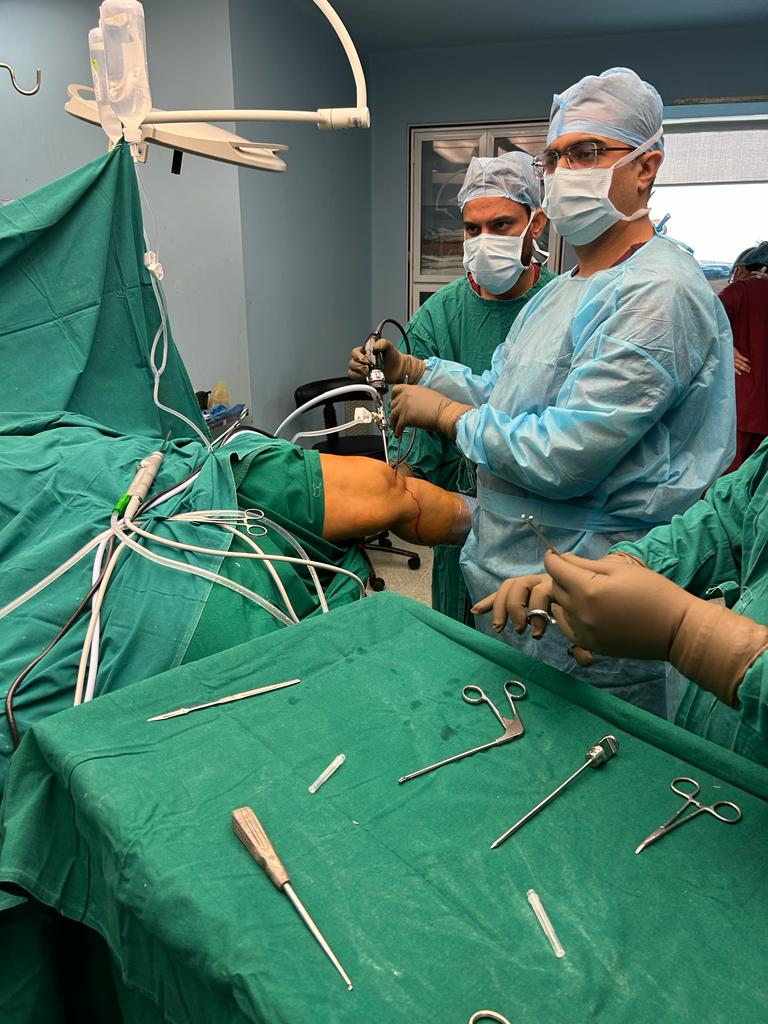
Dr. Arpit C Dave performs meniscus tear treatment using arthroscopic (keyhole) surgery — a minimally invasive technique that involves two or three small incisions around the knee through which a tiny camera and surgical instruments are inserted. This approach allows Dr. Dave to directly visualise the inside of the knee joint with precision and perform the necessary repair or resection without large cuts or extensive tissue disruption.
Depending on the nature of your tear, one of two procedures may be performed:
Arthroscopic Meniscus Repair
When the tear is located in the well-vascularised outer zone of the meniscus and the tissue quality is good, the torn edges are sutured back together. Preserving the meniscus is always the preferred approach as it maintains the knee’s natural shock-absorbing function and reduces the long-term risk of arthritis.
Arthroscopic Partial Meniscectomy
When the tear is in the inner avascular zone or the tissue is too damaged to repair, the torn or unstable portion of the meniscus is carefully trimmed away, leaving as much healthy meniscus tissue intact as possible. This relieves mechanical symptoms quickly and allows for a faster recovery.
Procedure Highlights:
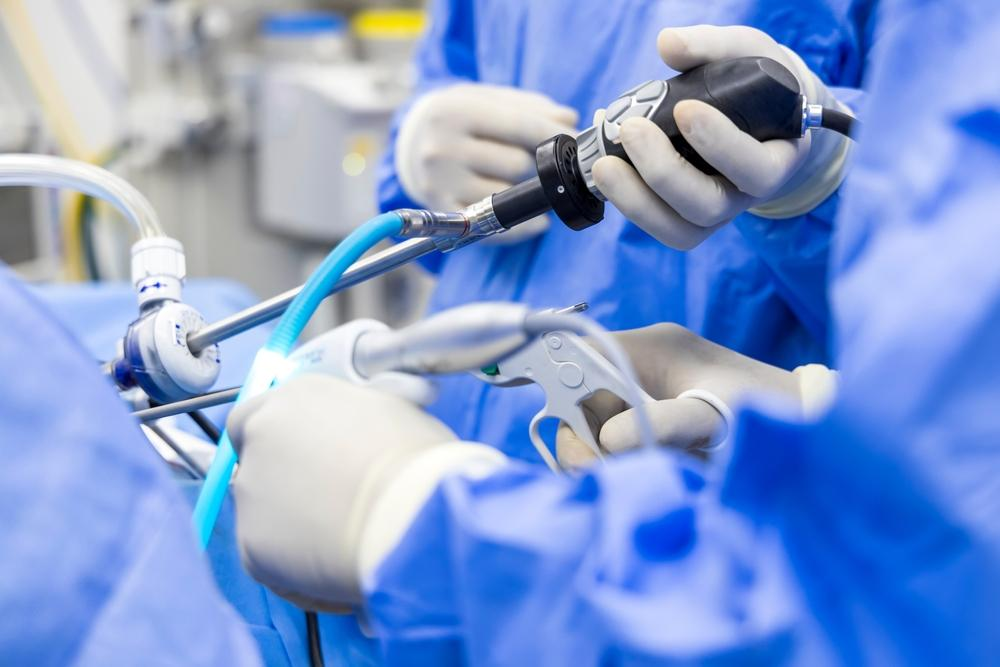
Arthroscopic (keyhole) surgery
Short hospital stay

Faster recovery
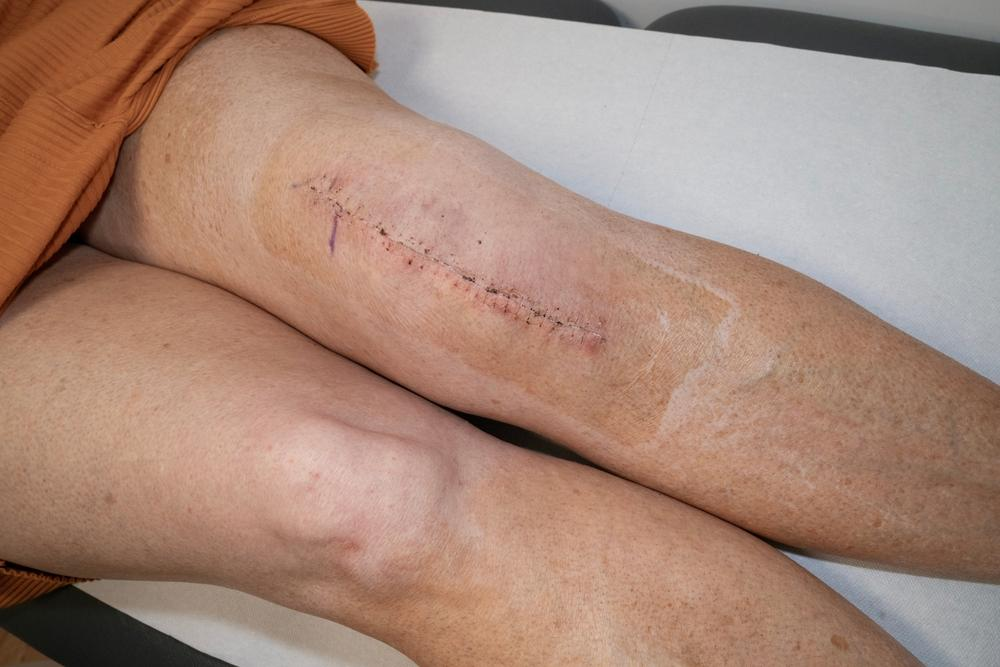
Minimal scarring
The procedure typically takes 45 minutes to 1.5 hours, after which a customised rehabilitation programme begins immediately to restore strength, flexibility, and function.
Recovery and Rehabilitation After Meniscus Tear Treatment
Recovery timelines vary based on whether a repair or partial meniscectomy was performed. Meniscus repair requires a longer rehabilitation period because the tissue needs time to heal and reattach — but the long-term outcome for your joint is better. Partial meniscectomy allows for a faster return to activity since no healing of sutured tissue is required.
Rehabilitation Milestones:
Guided physiotherapy
Gradual weight-bearing
Strength and flexibility training
Return-to-sport conditioning
For partial meniscectomy patients, a return to light daily activities is typically possible within 2–4 weeks, with most patients resuming normal function within 6–8 weeks. For meniscus repair patients, full recovery and return to sport may take 4–6 months, depending on the extent of the repair and individual healing response.
What Is the Cost of Meniscus Tear Treatment in Mumbai?
The cost of meniscus tear treatment in Mumbai depends on several factors, including the severity and pattern of the tear, the type of procedure performed (repair vs. partial meniscectomy), the facility and infrastructure used, and the extent of post-operative rehabilitation required.
On average, the cost of arthroscopic meniscus surgery in Mumbai ranges from ₹60,000 to ₹2,00,000. A personalised consultation with Dr. Arpit C Dave will help determine the most appropriate treatment approach and provide you with an accurate cost estimate based on your individual condition and needs.
Why Choose Dr. Arpit C Dave for Meniscus Tear Treatment in Dahisar?
When it comes to a knee injury, who treats you matters as much as how you are treated. Here is why patients across Dahisar and Mumbai trust Dr. Arpit C Dave:
13+ Years of Experience
Minimally Invasive Approach
Meniscus Preservation First
Personalised Treatment Plans
Structured Rehabilitation
Patients From Across Mumbai
Looking for a trusted specialist for meniscus tear treatment near you? Consult Dr. Arpit C Dave for a thorough evaluation and a care plan built around your recovery.
Google Reviews
Frequently Asked Questions
What is a meniscus tear?
A meniscus tear is an injury to the cartilage pads inside the knee joint that act as shock absorbers. Tears can result from a sudden twisting movement, a sports injury, or gradual wear and degeneration over time. They are one of the most common knee injuries treated by orthopaedic surgeons.
Can a meniscus tear heal without surgery?
Small tears located in the outer blood-rich zone of the meniscus may heal with rest, physiotherapy, and anti-inflammatory treatment. However, larger tears, complex tears, or those causing mechanical symptoms like locking or catching typically require arthroscopic surgery to achieve lasting relief.
How do I know if I have a meniscus tear?
Common signs include pain along the knee joint line, swelling within 24–48 hours of injury, a locking or catching sensation, and difficulty bending or straightening the knee. An MRI scan is the most reliable way to confirm the diagnosis, size, and location of the tear.
What is the difference between meniscus repair and meniscectomy?
Meniscus repair involves suturing the torn tissue back together and is preferred when the tear is in a zone with good blood supply. Meniscectomy involves trimming away the damaged portion when repair is not possible. Repair takes longer to recover from but better preserves long-term knee health.
How long does recovery take after meniscus surgery?
Recovery after partial meniscectomy is typically 6–8 weeks for most daily activities. Recovery after meniscus repair takes longer — usually 4–6 months — because the sutured tissue needs time to heal fully before bearing significant load.
Is arthroscopic meniscus surgery painful?
Post-operative discomfort is well-managed with medications and physiotherapy. Most patients find the recovery more comfortable than expected, with pain reducing steadily as rehabilitation progresses.
What happens if a meniscus tear is left untreated?
An untreated meniscus tear can cause ongoing pain, repeated joint swelling, and progressive damage to the articular cartilage of the knee. Over time, this can lead to early-onset osteoarthritis, making timely treatment an important step in protecting your long-term joint health.
Is Dr. Arpit C Dave's clinic accessible from Borivali, Kandivali, and Mira Road?
Yes. Dr. Dave’s clinic is located at C 101, Tanvi Complex, SV Road, Dahisar East, Mumbai — easily accessible from Borivali, Kandivali, Mira Road, and surrounding areas via road and local rail.